

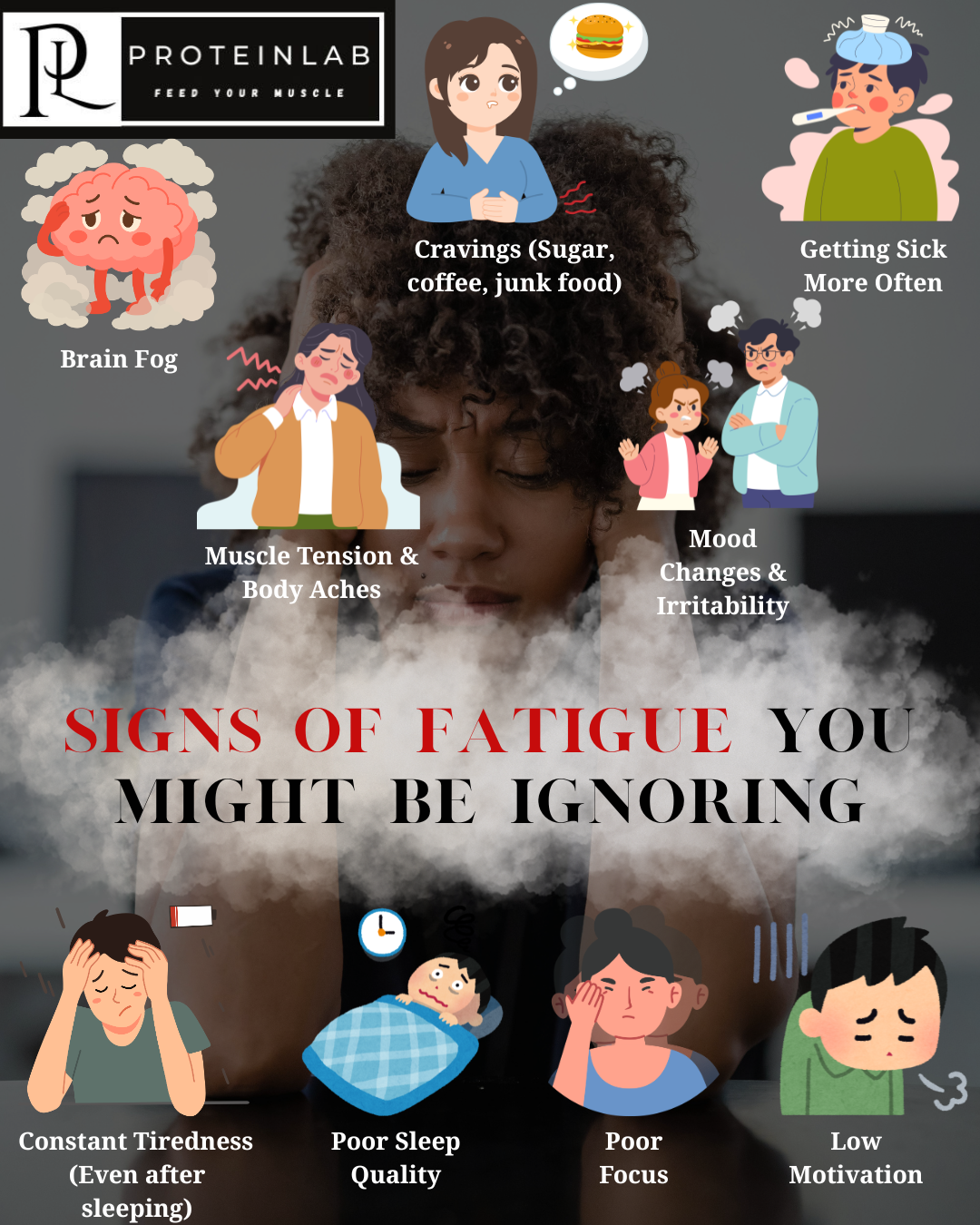
Globally there has been a significant and documented rise in stress-related fatigue and burnout. Malaysia has not been left out of this trend. Major reports indicate that chronic stress has reached unprecedented levels, often manifesting as a deep, persistent state of exhaustion that rest cannot easily fix. Stress-related fatigue is a type of exhaustion that happens when your body and mind stay under long-term stress. The prolonged psychological stress overwhelms the body’s ability to recover. Unlike normal tiredness from a busy day, this fatigue is not significantly relieved by a single night’s sleep or physical rest.
Why is there a rise in stress-related fatigue?
Several modern lifestyle factors actively contribute to the rise in stress-related fatigue:
- Always-on work culture
Smartphones, emails, and remote work blur the boundary between work and rest. The constant notifications and the expectation to monitor emails after hours prevent people from ever fully disengaging from work. Even when no actual work is being done, the expectation of a potential message creates a stressful state of anticipatory vigilance. This persistent alertness prevents the nervous system from switching from a stressed (sympathetic) state to a restorative (parasympathetic) state.
- Information overload
Constant exposure to news, social media, and notifications increases mental strain. The bombardment of information exceeds the brain's finite capacity to process data, leading to a state of cognitive and emotional saturation which triggers physiological stress responses and depletes mental energy, eventually manifesting as chronic fatigue. It also keeps the brain in a constant alert mode, activating the fight-or-flight response which results in chronically high levels of cortisol and adrenaline (Stress hormones).
- Sleep deprivation
Stress and late-night screen use reduce sleep quality. Sleep is the primary period when the body restores energy, regulates hormones, and repairs the nervous system. When people consistently get insufficient or poor-quality sleep, several biological systems become dysregulated, leading to persistent exhaustion and increased stress. When sleep is restricted, the body increases production of Cortisol, which is normally highest in the morning and decreases at night. This leaves the body in a chronic stress state and hyperactivation of the HPA (Hypothalamic-Pituitary-Adrenal) Axis. It also increases the body’s sensitivity to cortisol, leading to exaggerated responses to even a little cortisol. Sleep loss also compromises the communication between key brain regions responsible for emotional control and stress management. The amygdala, which processes emotional threats, becomes more reactive after sleep loss and the connection between the pre-frontal cortex, which often acts as a brake for the amygdala, and the amygdala is weakened. This leads to emotional dysregulation, increased irritability, and a feeling of being overwhelmed by basic tasks. Sleep deprivation disrupts cellular energy metabolism. The body’s cells rely on mitochondrial generation of ATP to power nearly all biological processes. Lack of sleep leads to reduced mitochondrial efficiency, increased oxidative stress and lower ATP production. As a result, people feel persistently tired because their cells are literally producing less usable energy.
- Poor nutrition
Fast food, high sugar intake, and irregular meals reduce sustained energy, creating a cycle of metabolic instability and nutrient depletion that reduces your body's resilience to stressors. Diets high in refined carbohydrates and added sugars cause rapid spikes and subsequent drops in blood glucose. This disrupts the body’s energy balance and triggers stress responses, resulting in sudden tiredness, irritability, poor concentration and increased cravings. When blood sugar drops sharply, the body perceives this as a physical threat and releases cortisol and adrenaline to stabilize it. These repeated hormonal surges lead to energy crashes, leaving you feeling shaky, anxious, or unusually tired even without external pressure. B-Vitamins are essential for the nervous system function and energy production, however, they are rapidly utilized during stressful periods. Magnesium regulates the nervous system, supports the body's stress response and plays a critical role in the storage and release of energy from ATP. Poor nutrition may leave the body with low levels of these micronutrients. This leaves the body unable to properly regulate stress, resulting in persistent fatigue, irritability, muscle tension and insomnia.
- Sedentary lifestyle
Lack of physical activity lowers overall energy metabolism. Prolonged inactivity makes the body less efficient at producing and transporting energy, causing everyday tasks to feel more draining. When physical activity is too low, multiple systems involved in energy production, stress regulation, and recovery become less efficient. Regular movement helps maintain healthy blood flow, so when a person sits for long periods, circulation slows, reducing the delivery of oxygen and nutrients required for energy production to tissues. This creates a constant feeling of low energy, which worsens the effects of stress. Inactive muscles have a lower demand for energy, which slows down overall metabolism and impairs the body's ability to break down fats and sugars effectively. Without regular use, muscles weaken and atrophy (lose mass). This makes simple physical movements like walking or standing for long periods significantly more exhausting. Movement also stimulates the release of neurotransmitters that support mood and energy, including dopamine, serotonin, and endorphins (feel good chemicals). A sedentary lifestyle limits these neurochemicals, leading to lower energy, reduced motivation, and increased feelings of anxiety. The nervous system becomes more sensitive to stress, making daily tasks feel more tiring than they should. A lack of physical movement interferes with the body's natural reset mechanisms. If you aren't active during the day, your body may not feel a strong biological drive to rest at night. This leads to poor sleep quality, which prevents the nervous system from entering rest and digest mode to repair itself from daily stress and keeps the nervous system stuck in a high alert state with elevated adrenaline, preventing deep, restorative recovery.
- Economic and social pressure
Job insecurity, rising living costs, and academic pressure increase long-term stress. Constant financial worries, job demands, and social expectations keep the body in a prolonged stress state. Unlike short-term stress, long-term pressure does not allow the nervous system to fully recover, which gradually drains mental and physical energy. When a person feels financial insecurity, job instability, or social pressure to succeed, the brain interprets this as a continuous threat. This activates the Fight-or-flight response, which is meant for short-term survival situations, and triggers spikes in cortisol and adrenaline which only increases stress and fatigue. Economic pressure forces people to constantly think about bills and expenses, job performance, career progression and family responsibilities. This ongoing mental load keeps the brain active for long periods without rest. The Prefrontal cortex, which handles decision-making and planning, becomes overworked, resulting in difficulty concentrating, reduced motivation, mental tiredness and feeling overwhelmed. Over time, this cognitive strain contributes to chronic fatigue. External pressures often trigger a downward spiral known as a resource loss spiral. Financial stress can lead to negative interpersonal events like family conflict, which then increases psychological distress and inflammation. Repeated exposure to uncontrollable economic stressors such as debt or job insecurity can lead to a belief that the situation is unsolvable, resulting in a collapse of motivation and a state of chronic emotional exhaustion.
Modern social environments, especially online, create pressure to keep up with others, for example comparing income or success, social media expectations, family responsibilities and cultural pressure to work harder. This constant emotional strain increases psychological stress, which can lead to burnout-like symptoms. Comparing your own economic or social status to others on social media triggers feelings of inadequacy, envy, and FOMO (Fear Of Missing Out). High perceived social status can actually increase vulnerability to fatigue because people may feel they have more to lose, leading to higher inflammatory responses during economic downturns.
- Heavy workload and Long hours
When you face a heavy workload, your brain perceives the volume of tasks as a constant threat. This leads to chronic activation of the fight-or-flight response which increases stress-related fatigue and leads to physical and mental wear and tear. Over time, the damage accumulates resulting in serious exhaustion and a weakened immune system. The body needs rest to repair muscles, restore brain chemicals, and replenish energy stores. Long working hours reduce the time available for sleep, relaxation, and proper nutrition. Without enough recovery, the Circadian rhythm becomes disrupted, and the body cannot fully reset. Heavy workload requires long periods of concentration, planning, and decision-making. This heavily uses the Prefrontal cortex, which controls attention, problem-solving, and emotional regulation. Long hours of mental effort cause brain fog, reduced motivation, slower thinking and increased irritability. This type of fatigue can feel worse than physical tiredness because the brain has not had time to recover.
Nutrient Depletion from Stress
While stress is usually seen as a mental or emotional issue, it also has a strong nutritional impact on the body. When stress becomes chronic, the body burns through essential nutrients faster than they can be replaced, leading to fatigue, low immunity, and reduced performance. This process is known as nutrient depletion caused by stress, and it is one of the most overlooked reasons why many Malaysians feel tired even when they are eating regularly.
How does stress increase nutrient loss?
When the body is under stress, it activates the fight-or-flight response, releasing hormones such as cortisol and adrenaline. These hormones help the body deal with pressure in the short term, but they also increase the rate at which nutrients are used. Chronic stress can lead to:
- Faster use of B-vitamins for energy metabolism
- Increased magnesium loss through urine
- Higher need for protein for recovery and repair
- Greater depletion of electrolytes due to sweating, caffeine, and lack of sleep
- Increased oxidative stress, which raises the need for antioxidants
Over time, this imbalance can cause burnout, even if you are not physically sick.
Common Nutrients That Get Depleted During Stress
- B-Complex Vitamins: essential for energy production, brain function, and nervous system health. Stress increases the body’s demand for B1, B6, and B12, which can lead to mental fatigue, poor focus, and irritability.
- Magnesium: plays a key role in muscle relaxation, sleep quality, energy metabolism and stress regulation. Low magnesium levels are linked to muscle tension, headaches, anxiety, fatigue and poor recovery.
- Protein and Amino Acids: During stress, the body breaks down more tissue to produce energy and stress hormones. Without enough protein intake, recovery becomes slower and energy levels drop.
- Electrolytes (Sodium, Potassium, Magnesium): Sweating, caffeine consumption, and lack of proper hydration can lead to electrolyte imbalance, causing weakness and brain fog.
- Antioxidants: Stress increases the production of free radicals. Without enough antioxidants from diet or supplementation, the body experiences more inflammation and fatigue.
Why This Is Common in Malaysia
Many Malaysians unknowingly fall into habits that worsen nutrient depletion:
- Skipping breakfast or eating late
- High coffee and sweet drink consumption
- Low protein intake during busy workdays
- Lack of vegetables and whole foods
- Poor sleep due to work or screen time
- Heavy gym training without proper recovery nutrition
Because of this, people often feel tired and assume they just need more rest, when in reality, their body may need more nutritional support.
Daily Resilience Building: How to Strengthen the Body Against Stress-Related Fatigue
Stress cannot always be avoided, especially in a fast-paced lifestyle. Because of this, the goal is not only to reduce stress, but to build daily resilience, so the body can handle stress without becoming exhausted. Resilience means the body can recover faster, maintain stable energy, and avoid nutrient depletion even during busy periods.
- Maintain Stable Energy with Consistent Nutrition
Irregular eating is one of the biggest reasons why people feel burnt out. Skipping meals or eating low-protein, high-sugar foods forces the body to rely on stress hormones for energy. In order to build resilience you should strive to eat protein in every meal, not skip breakfast or post-workout meals, , include carbs for energy (not just caffeine) and stay hydrated throughout the day. When nutrition is consistent, the body does not need to stay in survival mode.
- Support the Nervous System with Key Micronutrients
Chronic stress increases the use of vitamins and minerals needed for brain function, muscle relaxation, energy and recovery. Key nutrients you should consider include:
- B-complex vitamins
- Magnesium
- Electrolytes
- Omega-3 fats (help control inflammation)
- Protein and amino acids
Without enough of these nutrients, stress tolerance becomes lower over time.
- Improve Sleep Quality, Not Just Sleep Time
Many people sleep enough hours but still feel tired because recovery quality is poor. To improve your sleep quality, you can:
- Sleep at the same time every night
- Reduce screen use before bed
- Avoid heavy caffeine late in the day
- Eat enough during the day to prevent night hunger
- Support recovery with proper nutrition
Good sleep helps control cortisol, restore muscles, and balance hormones.
- Use Physical Activity to Build Stress Tolerance
Exercise is not just for fitness; it trains the body to handle stress better. Regular training:
- Improves hormone balance
- Increases energy production
- Enhances mood
- Builds mental toughness
- Improves sleep quality
However, too much training without proper nutrition can cause the opposite effect, leading to fatigue instead of resilience. A balance between eating well and exercising is important.
- Manage Stimulants Carefully
Many people rely on coffee and energy drinks. While these can help short-term, excessive stimulant use can increase nutrient depletion and worsen fatigue. To avoid this you should:
- Use stimulants when needed, not all day
- Support energy with nutrition first
- Stay hydrated and maintain electrolytes
- Focus on recovery, not only stimulation
Sustainable energy comes from recovery, not just stimulation.
- Support Recovery with Targeted Supplementation
In busy lifestyles, food alone may not always be enough to replace the nutrients lost from stress, sweating, training, and lack of sleep. People who live fast-paced lives should focus on supportive supplementation which may include:
- Multivitamins for daily micronutrient support
- Electrolyte blends for hydration and energy
- Protein supplements for recovery
- Adaptogen-based formulas for stress support
- Magnesium for sleep and relaxation
These supplements are not just for athletes. They can help anyone with a demanding daily routine maintain energy and performance.
- Resilience Means Energy, Not Just Endurance
Many people think being strong means pushing through fatigue.
Real resilience means:
- Having stable energy all day
- Recovering quickly after stress
- Sleeping well
- Training without burnout
- Staying focused at work
In modern lifestyles, building resilience requires both good habits and proper nutritional support, especially for people who work hard, train hard, and live fast.
Workplace Wellness
Workplace wellness refers to any programs, policies, and practices implemented by organizations to promote the physical, mental, and emotional well-being of employees. As modern work environments become more demanding, workplace wellness has become increasingly important for maintaining employee productivity and reducing burnout. A strong workplace wellness culture recognizes that employee health directly influences the company’s performance, engagement, and organizational success. When employees experience chronic stress, fatigue, or poor health, they are likely to struggle with work which reduces overall company productivity. As a result, many organizations are now investing in workplace wellness strategies to support healthier and more resilient workforces.
Common workplace wellness strategies include:
- Stress Management Programs
Initiatives such as mindfulness workshops, counselling services, and mental health support programs can help employees manage work-related pressure and reduce the risk of burnout.
- Promoting Work–Life Balance
Flexible working hours, remote work options, and encouraging employees to take regular breaks can help reduce excessive workload and improve mental well-being.
- Encouraging Physical Activity
Workplaces may provide gym memberships, organize fitness challenges, or create spaces for physical activity. Regular movement can improve energy levels, reduce stress, and support long-term health.
- Nutritional Support and Healthy Eating Initiatives
Providing healthier food options in staff cafeterias, organizing nutrition education programs, or offering healthy snacks can help employees maintain better energy levels throughout the workday. Nutrition plays a key role in supporting focus, stress resilience, and overall productivity.
- Creating a Supportive Work Environment
Positive leadership, clear communication, and supportive management practices contribute significantly to employee well-being. When employees feel valued and supported, workplace stress is often reduced.
- Health Screening and Preventive Care
Many organizations offer regular health screenings, vaccination programs, or wellness assessments. These initiatives help employees identify potential health risks early and encourage proactive health management.
Why are workplace wellness programs important?
- Improved employee health and energy levels
- Reduced stress and burnout
- Higher productivity and job satisfaction
- Lower absenteeism and healthcare costs
- Stronger employee retention and workplace morale
Supportive Nutritional Supplement
Some nutrition supplements may be used to support recovery from stress-related fatigue by improving energy metabolism and physical resilience.

Supports ATP production, which may improve physical and mental energy levels. Research suggests that creatine may also support brain energy metabolism and cognitive performance during fatigue.
Proteins like whey blends and isolates, clear whey, beef protein, casein, plant protein and multi-source proteins provide essential amino acids needed for muscle repair, recovery, and neurotransmitter production. Adequate protein intake supports physical recovery and overall metabolic health, especially during periods of high stress.
Essential Amino Acids (EAAs) and Branched-chain amino acids (BCAAs) may help reduce fatigue during prolonged physical or mental stress. L-tyrosine supports the production of neurotransmitters such as dopamine and norepinephrine, which are involved in focus and stress response.
- Electrolytes and Recovery
Electrolytes such as sodium, potassium, and magnesium support hydration, nerve signalling, and muscle function. Proper electrolyte balance can help reduce fatigue, headaches, and muscle tension associated with stress.
They often contain ingredients such as caffeine, beta-alanine, creatine, B vitamins, citrulline and arginine. These help increase alertness and focus, delay fatigue and improve reaction time and improve endurance and training performance. However, do not take the pre-workouts in excess.
Omega 3 supports brain health and mood regulation. It may also reduce inflammation and mental fatigue.
Stress-related fatigue is no longer just an occasional problem; it has become a common part of modern life for many Malaysians. Long working hours, constant digital connectivity, financial pressures, and poor lifestyle habits can leave you feeling constantly drained, mentally foggy, and unable to fully recover. While rest and stress management techniques are important, they are often not enough on their own if the body is lacking the key nutrients it needs to function properly.
For people juggling demanding careers, busy schedules, and active lifestyles, maintaining optimal nutrition every single day can be difficult. Whether you are working long hours, training regularly, or simply trying to stay productive in a fast-paced environment, giving your body the nutritional support it needs can make a significant difference in how you feel and perform. Here at ProteinLab Malaysia we sell supplements that can help you support energy levels, recovery, hydration, and mental performance throughout the day.
In today’s demanding world, investing in proper nutrition and supportive supplementation is not just about fitness; it’s about sustaining energy, improving performance, and staying ahead of stress.

Be safe and rest assured, you are getting 100% authentic products at the lowest price when you purchase from ProteinLab Malaysia.
You can also like our Facebook page for more promotional news at :
Or you can also follow Instagram for more nutrition tips: