

Did you know that aging actually may begin earlier than you think? Aging is not only about wrinkles or white hair; it begins inside the body at the cellular and organ level, long before the visible signs begin to appear. Research into aging has found that not only does aging begin earlier than we expected, but it is also not uniform across all the cells and organs in the body. While aging is accelerated at age 50, the aorta, which is the largest artery in the body, may begin aging by age 30. Sarcopenia, which is the progressive loss of skeletal muscle mass, strength, and function that comes with age, also begins after 30, at a rate of about 3 - 5% loss per decade. Bone density, hormones, metabolism, and recovery ability also slowly decrease the older you become. This basically means many people who think they are still young may actually already be in the early stages of aging biologically.
Malaysia is very quickly becoming an aging society. The country is expected to become an aged nation by 2050, with more people over 60 every year. While life expectancy is increasing, Malaysians spend about 9.5 years in poor health on average due to chronic disease. Furthermore, almost 30% of Malaysian adults are physically inactive, which increases health decline with age. This trend shows a big problem; people are living longer, but their bodies are not prepared for aging.
Youthful Appearance vs Real Biological Aging
These days, many people often focus on keeping up with skincare trends, taking supplements for looks, undergoing cosmetic treatments, and going to the gym only for physique. However, we forget that real aging happens in the:
Joints
Hormones
Heart and blood vessels
Brain
Bones
Metabolism
Recovery ability
You can physically look young but still have high cholesterol, weak bones, low testosterone, poor endurance, and chronic inflammation, among other physiological problems. This is often referred to as cosmetic youth vs functional youth. Aging is starting earlier today than it used. Several factors associated with the current modern lifestyle may contribute to sped-up aging.
Less physical activity
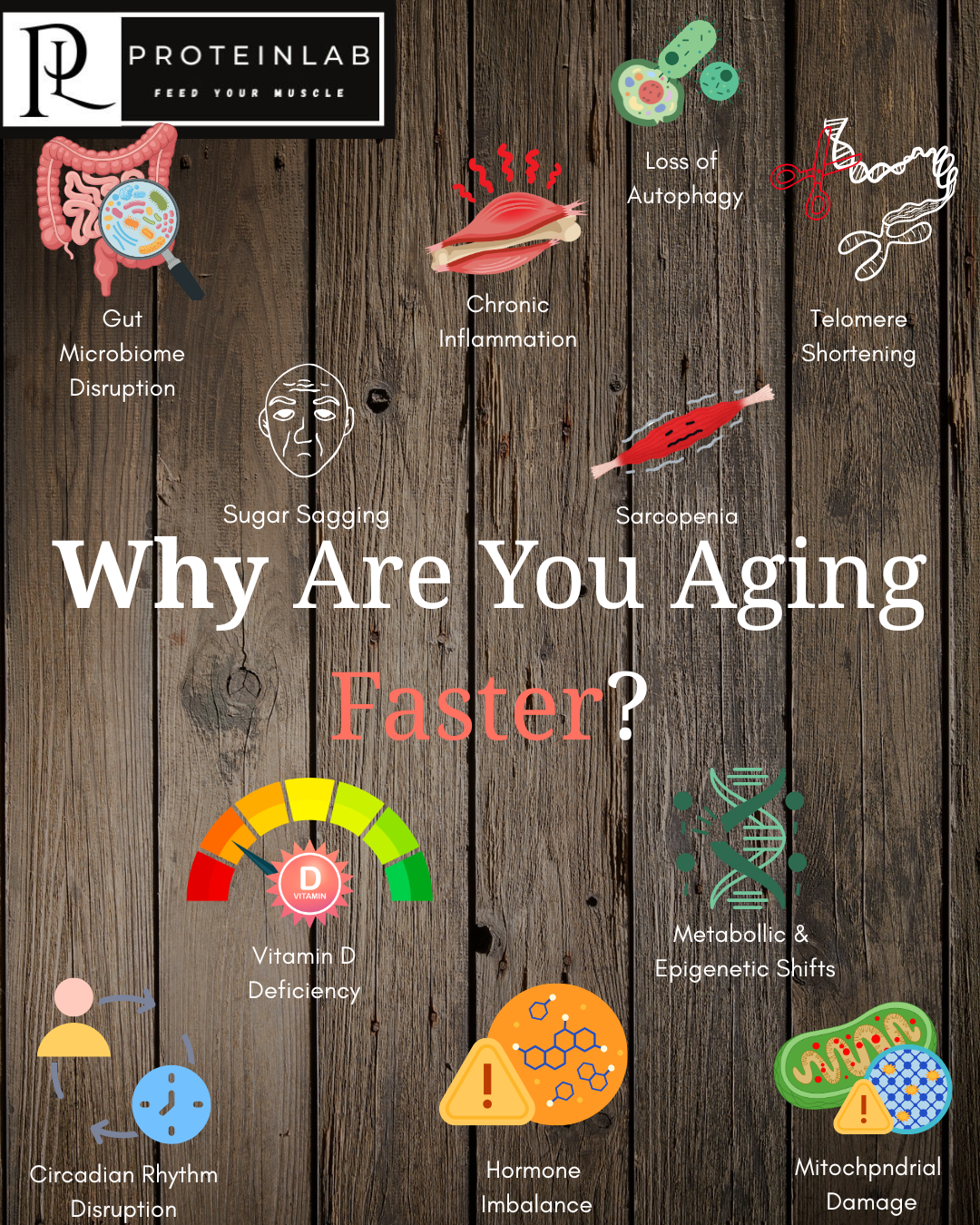
Our lives have become more sedentary and inactive—from long hours spent seated in the office to long commutes. According to the World Health Organization (WHO), nearly a third of the world’s adult population isn’t getting enough physical activity. This accelerates aging by triggering a cascade of cellular and systemic declines that directly impact your biological age. While your chronological age is fixed, a sedentary lifestyle forces your body to age faster at a molecular level through several key mechanisms:
Cellular Clock Shortening (Telomeres): Telomeres are the protective caps at the end of your chromosomes that naturally shorten as cells divide. As cells divide, their DNA sequences must be replicated and divided with them. However, due to the ‘end-replication problem,' the very end of DNA cannot be copied completely. So in each cell division, the sequence becomes shorter and shorter. To overcome this, our chromosomes have telomeres, which are repeating sequences that protect the main DNA sequence from being erased during replication. As we age, the telomeres get shorter and shorter with each cell division, and eventually they become too short. Sedentary people often have significantly shorter telomeres compared to active people. Active lifestyles promote telomere preservation, which slows down aging.
Loss of Cellular Recycling System (Autophagy): Autophagy is a biological process by which the body detects and breaks down old or damaged organelles, cells, proteins, and pathogens via lysosomes and reuses the broken-down components for energy or repair. It plays a housekeeping role, removing old or malfunctioning cell parts that could build up and damage the body, leading to rejuvenation as well as the prevention of some diseases like cancer. Physical activity activates autophagy while inactivity slows it down, leading to a buildup of cellular waste and senescent cells (‘zombie cells’ that have stopped dividing but refuse to die) that cause inflammation and tissue degradation. This failure to clear waste is a primary driver of most age-related diseases like Alzheimer's disease, Parkinson’s disease, and general cardiovascular decline.
Mitochondrial Decay: The mitochondrion is the powerhouse of the cell. Mitochondria generate the energy used in the body to support all body processes. Without regular physical demand, they become weaker and less efficient. ROS (Reactive Oxygen Species) are chemically reactive molecules made from oxygen primarily in the mitochondria during ATP (energy) generation in the electron transport chain (ETC). Common ROS include superoxide (O₂⁻), hydrogen peroxide (H₂O₂), and hydroxyl radicals (OH•). Small amounts of ROS are normal, as they are usually kept under control by antioxidants, but when ROS production exceeds antioxidant capacity, they can cause oxidative stress that leads to DNA and protein damage, inflammation, and disease. Weak mitochondria leak more ROS that cause more mitochondrial DNA mutations, which is a hallmark of accelerated aging.
Sarcopenia: If you don’t use your muscles, they are highly likely to get smaller and weaker. The scientific term for this is disuse atrophy, where there is rapid loss of muscle mass, strength, and function due to inactivity, immobilization (like casts), or sedentary behavior, where muscles shrink because they are not being used. Metabolically, muscle atrophy may occur in two stages. The early stage is the catabolic crisis where rapid muscle breakdown starts soon after disuse begins because the body does not think it needs the muscle and thinks its resources can be used elsewhere. During a catabolic crisis, there is a decrease in muscle protein synthesis, while protein breakdown, inflammation, stress hormones, mitochondrial dysfunction, and ROS increase. The late stage is anabolic resistance, where muscle does not respond properly to protein or exercise signals, making recovery slower and muscle growth more difficult. Sedentary behavior makes muscles less responsive to protein intake, making it harder to maintain strength even if you eat well. Inactivity accelerates the natural loss of muscle mass and bone density.
Metabolic and Epigenetic Shifts: When the body is inactive, cells will not just change size; they will also change how they produce energy (metabolic) and how genes are turned on or off (epigenetic). During inactivity there is a drop in mitochondrial activity, insulin sensitivity, and glucose uptake and a rise in fat storage, ROS levels, and inflammation. Inactivity can also lead to unfavorable methylation changes on your DNA, which can turn off or downregulate protective genes and turn on or upregulate unfavorable genes. The genes for inflammation and breakdown will also be upregulated while the genes for mitochondrial function and muscle growth will be downregulated. The body will become more energy conserving but weaker and slower to recover. Inactivity can also cause rapid shifts in how your body handles sugar, leading to peripheral insulin resistance and increased visceral fat.
Nutrient-Empty Eating habits
People whose diets consist of high sugar and ultra-processed foods often experience accelerated aging. This happens because these foods damage the body's structural proteins and fast-track cellular decline. A poor diet actively introduces aging toxins and metabolic stress that degrade tissues from the inside out.
Glycation and Sugar Sagging: When blood sugar levels rise, the excess glucose and fructose attach to proteins like collagen and elastin. This process, glycation, is a non-enzymatic reaction where sugar molecules bond with proteins, lipids, or DNA, forming Advanced Glycation End-products (AGEs), which are toxic compounds that permanently cross-link and stiffen protein fibers. In the skin, glycation often leads to sugar sagging, which is a loss of elasticity that manifests as deep wrinkles, yellowing (sallowness), and a fragile skin barrier. The AGEs may also accumulate in your blood vessels and organs, contributing to stiffened arteries (atherosclerosis), kidney dysfunction, and joint wear.
Accelerated Telomere Shortening: The frequent consumption of ultra-processed foods and sugary drinks has been directly linked to the shortening of telomeres, which, as said before, rapidly accelerates aging. Drinking sugary beverages and processed snacks can accelerate the rate of telomere shortening by increasing mitochondrial workload, leading to leakage of electrons from the mitochondria and an overall increase in ROS levels in the blood.
Chronic inflammation: This is a low-grade, long-term immune activation that damages tissues over time. High-sugar foods cause spikes in blood glucose levels. This causes the levels of insulin in the body to rise as well, resulting in your body cells taking up the excess sugar. Too much sugar stresses the cells, and in immune cells the immune system can react by producing pro-inflammatory signals, which increase inflammation. The industrial additives found in ultra-processed foods like emulsifiers and artificial flavors increase levels of AGEs and subsequently trigger a state of persistent, low-grade inflammation.
Gut Microbiome Disruption: The gut microbiome is the community of bacteria living in your digestive system. When your diet is high in sugar and ultra-processed foods, the microbiome becomes imbalanced. This disruption is called gut dysbiosis. Healthy gut bacteria feed on fiber and whole foods like fruits, vegetables, legumes, and whole grains. Ultra-processed foods are typically low in fiber, which starves the beneficial gut bacteria and promotes the growth of harmful strains. A damaged gut lining can leak inflammatory markers into the bloodstream, further accelerating your biological aging.
Stress and lack of sleep
Aging is not only about time. It is strongly affected by stress level and sleep quality. Poor sleep and high stress accelerate biological aging by disrupting the body's natural repair cycles and triggering chemical responses that damage cells and DNA. This process often causes your biological age to outpace your chronological age.
Cellular and DNA Damage: Chronic stress and sleep deprivation often serve as primary predictors of shortened telomeres, which, as we saw above, are directly linked to a higher risk for age-related diseases and accelerated biological aging. Unresolved stress and sleeplessness also push healthy cells into senescence, where they stop dividing but remain active, releasing inflammatory signals that damage neighboring healthy tissue. Sleeping is important because it clears the metabolic waste that your body accumulated during the day. Without it, the mitochondria become dysfunctional, producing excessive ROS that damage DNA and make you age faster.
Hormone Imbalance: When you are stressed, the body releases cortisol, the main stress hormone. Short-term elevated cortisol is normal, but chronically elevated cortisol is damaging. Long-term high cortisol keeps the body in a catabolic state where the body keeps breaking itself down and thus accelerating physiological aging. Physically this can be seen in sagging skin, fine lines, and premature wrinkles as collagen and elastin in the skin are being broken down by enzymes triggered by elevated cortisol. During deep sleep, the body also naturally produces growth hormone, which is essential for tissue repair. Sleep loss blocks this process, preventing your skin and organs from renewing themselves overnight.
Systemic Inflammation: Both stress and lack of sleep trigger chronic, low-grade inflammation. This persistent state of alert wears down the immune system and may make you look and function as if you are years older than you actually are.
Low sunlight exposure
Sunlight is not just to help you see; it affects hormones, mitochondria, the immune system, sleep, metabolism, and DNA repair. Low sunlight exposure can speed up aging through multiple biological pathways.
Vitamin D Deficiency: Sunlight triggers the skin to produce Vitamin D, which controls immune function, inflammation, muscle strength, hormone production, bone health, and gene regulation. Adequate vitamin D levels have been linked to longer telomeres, which are associated with a lower biological age. Epigenetically, enough vitamin D also turns off unfavorable genes that promote aging and turns on more favorable ones. Vitamin D also helps maintain the mitochondria. Deficiency may lead to a decline in ATP and an increase in oxidative stress, which physically wears down tissues over time.
Circadian Rhythm Disruption: Sunlight regulates the circadian rhythm. It is the primary signal (or zeitgeber) that resets your internal 24-hour clock. The circadian rhythm controls sleep, hormones, metabolism, body temperature, and repair processes. Lack of enough sunlight can delay melatonin production at night, leading to fragmented sleep. As discussed above, poor sleep prevents the body from clearing out cellular waste and repairing DNA, which accelerates aging. Disrupted circadian rhythms also trigger systemic inflammation and leave the body in a constant state of low-grade biological stress that accelerates the aging of the heart, brain, and immune system.
Future Health vs Present Vanity
In today’s society, many people are more concerned about how they look now than how their body will function in the future. While maintaining a youthful appearance is often seen as a sign of health, the reality is that biological aging happens internally long before it becomes visible. A person may look fit on the outside but still experience early decline in muscle, hormones, metabolism, cardiovascular health, and recovery ability. This creates a growing gap between cosmetic youth and functional health, where the body is aging faster than the appearance suggests.
Focus on Appearance Instead of Function
Modern health culture often emphasizes visible results rather than long-term physiological strength. Many people invest heavily in skincare, slimming products, aesthetic treatments, and short-term dieting, but spend less time building the physical systems that determine how well the body will age. True healthy aging depends on the condition of the:
Muscles
Bones
Joints
Hormones
Heart and blood vessels
Brain
Metabolism
Immune system
These systems cannot be maintained through appearance-based habits alone. Without proper exercise, nutrition, sleep, and stress control, the body may begin to decline even while the person still looks young.
Cosmetic Youth vs Functional Youth
Cosmetic youth refers to looking young on the outside, while functional youth refers to how well the body actually performs internally. A person can have smooth skin and a lean physique but still suffer from poor endurance, weak bones, low muscle mass, hormonal imbalance, or early cardiovascular problems. Functional youth is determined by biological markers such as:
Muscle mass and strength
Bone density
Insulin sensitivity
Mitochondrial function
Hormone balance
Cardiovascular fitness
Inflammation levels
When these decline, the body ages regardless of outward appearance. This is why some individuals begin experiencing fatigue, injuries, and metabolic problems in their 40s even though they looked healthy in their 20s and 30s.
Why Modern Lifestyle Encourages Present Vanity
Several aspects of modern life encourage people to focus on short-term appearance instead of long-term health.
Social media promotes visual results rather than internal health. When people want the most likes, they may focus on their outward appearance at the expense of their internal body health, and in the end they may end up aging faster and developing future complications.
Busy work schedules reduce time for exercise and recovery. It's not uncommon in today’s fast-paced society for people to spend most of the day either at work or on the way to and from work. By the end of the day many people are too exhausted to work out or even take time to properly recover.
Ultra-processed foods are convenient but damage metabolism. Fast food and sugary snacks are easier to get and need little to no preparation. This convenience may cause people to favour them over the healthier but more preparationally complex foods.
Sedentary jobs reduce physical activity. Many modern professions have people working while seated in front of their computers for long hours with minimal physical activity.
Artificial lighting and indoor lifestyle reduce sunlight exposure. Some people can spend the entire day indoors getting little to no sunlight. Instead of natural light, lamps and bright overhead lights are used, which cannot properly replicate the important benefits of sunlight.
Chronic stress and poor sleep disrupt hormone balance. Constant stress without enough time to recover through sleep may leave the body in a constant state of fight or flight through hyperactivation of the sympathetic nervous system triggered by high levels of stress hormones.
Because the negative effects are gradual, many people do not realize their body is aging faster until physical performance, strength, or health begins to decline.
The Cost of Ignoring Future Health
When people focus only on present appearance, they often neglect the habits that protect the body against aging. Over time, this can lead to an earlier onset of age-related conditions such as:
Sarcopenia (loss of muscle mass)
Osteopenia and osteoporosis (loss of bone density)
Insulin resistance and type 2 diabetes
High blood pressure and cardiovascular disease
Chronic inflammation
Joint degeneration
Hormonal decline
Reduced recovery ability
These changes do not happen suddenly in old age. They develop slowly over decades, often beginning in the 30s, and become noticeable only later when the body can no longer compensate.
Early Preventative Supplementation
As aging begins earlier than most people expect, prevention should also begin earlier. While exercise, diet, sleep, and sunlight exposure form the foundation of healthy aging, supplementation can play an important supporting role, especially in modern lifestyles where nutrient intake is often insufficient. Early preventative supplementation does not mean relying on pills instead of healthy habits. Instead, it means providing the body with the nutrients it needs to maintain muscle mass, bone strength, hormonal balance, and metabolic health before decline begins. Many people only start taking supplements after health problems appear, but by that time, the body may already be in a state of loss, inflammation, or hormonal imbalance. Supporting the body early can slow down biological aging and help maintain functional youth for a longer period of time.
Why Preventative Supplementation Matters Today
Modern diets are often high in calories but low in essential nutrients. Processed foods, long working hours, stress, and lack of sunlight exposure can all increase the body’s nutritional demands while reducing nutrient intake. Over time, small deficiencies may accumulate and contribute to faster aging. Common modern risk factors that increase the need for supplementation include:
Low protein intake despite high calorie intake
Insufficient vitamin D due to indoor lifestyle
Low calcium and magnesium intake
High oxidative stress from poor diet and stress
Reduced testosterone due to lack of sleep and inactivity
Loss of muscle mass from sedentary lifestyle
When these factors are present for many years, the body may enter aging-related decline earlier than expected. Preventative supplementation aims to support the body before these changes become serious.
Internal Support — Bones and Hormonal Balance
One of the earliest systems affected by aging is the internal regulatory system, which includes hormones, bone metabolism, and mineral balance. These changes often start silently and may not be noticed until later in life when bone density decreases, recovery slows, or energy levels drop.
Bone health is especially important because bone density begins to decline gradually after age 30. Without enough calcium, vitamin D, magnesium, and protein, the body may not be able to maintain strong bones. Over time, this increases the risk of osteopenia, osteoporosis, joint pain, and fractures.
Hormonal balance is another key factor in healthy aging. Hormones such as testosterone, growth hormone, and insulin-like growth factors help maintain muscle mass, metabolism, and recovery ability. Chronic stress, poor sleep, and inactivity can reduce these hormones, pushing the body into a more catabolic state where breakdown happens faster than repair.
Preventative internal support may include nutrients that help maintain:
Bone mineral density
Hormone production
Nervous system function
Immune stability
Cellular repair processes
Supporting these systems early helps the body stay resilient as it ages instead of trying to rebuild after damage has already occurred.
Long-term Strength Support — Muscle, Performance, and Recovery
Muscle is one of the most important protective tissues against aging. Loss of muscle mass, known as sarcopenia, begins gradually after the age of 30 and accelerates with inactivity, poor diet, and hormonal decline. Muscle is not only important for strength but also for metabolism, insulin sensitivity, joint stability, and overall physical independence.
People who maintain more muscle mass tend to age better because muscle acts as a metabolic reserve that helps regulate blood sugar, reduce inflammation, and support daily movement. However, building and maintaining muscle becomes harder with age due to anabolic resistance, where the body does not respond as strongly to protein and exercise as it did when younger.
Long-term strength support focuses on giving the body enough nutrients to maintain muscle and recovery ability over many years. This includes adequate protein intake, amino acids, creatine, and nutrients that support energy production inside the mitochondria. Supporting muscle health early may help to:
Slow down sarcopenia
Improve recovery from training
Maintain strength with age
Protect joints and bones
Support metabolism
Reduce risk of frailty later in life
People who wait until they are older to focus on strength often find it much harder to regain what was lost. Preventative support allows the body to keep what it has built instead of constantly trying to rebuild from decline.
Practical Support for Healthy Aging: Supplements That Help You Prepare, Not Just Repair
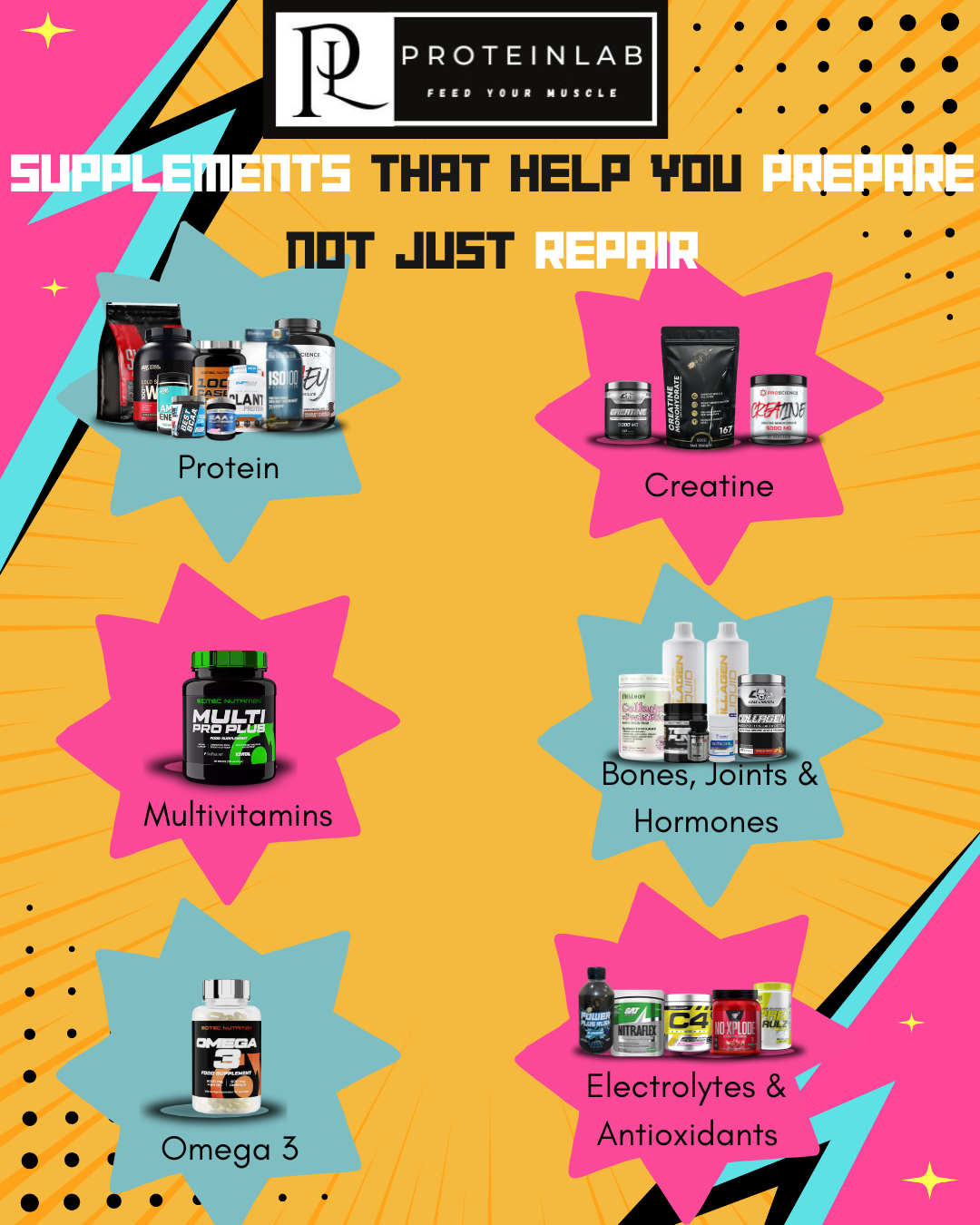
Understanding that aging begins earlier than expected means we should also start supporting the body earlier. In modern lifestyles, it is not always easy to get enough nutrients from food alone, especially with busy schedules, stress, lack of sunlight exposure, and inconsistent eating habits. This is where proper supplementation can help support long-term health, not just short-term appearance. Below are some types of supplements that can help support the body against early biological decline:
Protein Support for Muscle Preservation
Protein intake is one of the most important factors in preventing sarcopenia. Many adults do not consume enough protein daily, especially those with sedentary jobs or irregular eating patterns.
Whey protein blends, isolates and clear isolates, plant protein, collagen, beef protein, casein protein, BCAA supplements, and EAA supplements can help provide the amino acids needed for:
Maintaining muscle mass
Supporting recovery
Preserving metabolism
Supporting bone strength
Preventing weakness with age
Adequate protein intake becomes even more important after age 30, when muscle loss naturally begins.
Creatine for Strength, Brain, and Cellular Energy
Creatine is one of the most researched supplements for long-term health and performance. Creatine helps support:
Muscle strength and endurance
Brain energy metabolism
Mitochondrial function
Recovery ability
Healthy aging of muscle tissue
As people age, natural creatine stores may decrease, and supplementation may help maintain strength and energy levels.
Vitamin D, Calcium, and Magnesium for Bone, Joint and Hormone Health
Indoor lifestyles, office work, and low sunlight exposure make vitamin D deficiency very common. This can affect bone strength, immune function, hormone balance, and muscle performance. Key nutrients for internal support include:
Vitamin D for bone health and hormone regulation
Calcium for bone density
Magnesium for nerve, muscle, and sleep support
Zinc for hormone and immune function
Testosterone boosters for low testosterone
Supporting these nutrients early may help reduce the risk of bone loss, fatigue, and hormonal decline later in life.
Omega-3 and Antioxidants for Inflammation and Cellular Protection
Modern diets high in sugar and processed food increase inflammation and oxidative stress, which accelerate aging. Supplements that support cellular health include:
Omega-3 for heart, brain, and joint health
Multivitamins for overall nutrient balance
Antioxidants for reducing oxidative stress
Electrolytes for hydration and muscle function
These help protect the body from the long-term damage caused by stress, poor diet, and lack of recovery.
Supplements should support a healthy lifestyle, not replace it. Supplements work best when combined with:
Regular exercise
Enough protein intake
Good sleep
Sunlight exposure
Stress control
Balanced diet
The goal is not to depend on supplements, but to use them as tools to support the body so that it can stay strong, functional, and healthy for many years. Preparing for aging early does not mean expecting to get old soon. It means making sure your body is still strong when the years go by. Aging does not suddenly begin at old age. It starts quietly, often in the 30s, and progresses slowly through changes in muscle mass, hormones, metabolism, bones, and cellular function. Many people focus on looking young on the outside, but true healthy aging depends on what is happening inside the body.
Malaysia is becoming an aging society, and the challenge is not only to live longer, but to live stronger. Without proper physical activity, nutrition, recovery, and internal support, the body may enter biological decline much earlier than expected. Modern lifestyles make it easy to focus on appearance, convenience, and short-term results, but these habits can accelerate aging over time.
The good news is that early preparation can make a big difference. Building muscle, supporting bones, maintaining hormone balance, eating properly, staying active, and using the right supplements when needed can help slow down biological aging and preserve functional strength. Healthy aging is not about trying to stay young forever. It is about making sure your body can still perform, move, and recover as the years go by. Those who prepare early often stay independent longer, feel stronger later, and enjoy a better quality of life.

Be safe and rest assured that you are getting 100% authentic products at the lowest price when you purchase from ProteinLab Malaysia.
You can also like our Facebook for more promotion news at :
Or you can also follow Instagram for more nutrition tips: