


Have you ever noticed how some days you can walk into the gym feeling unstoppable? And other days even putting on your shoes to go to the gym feels like a challenge? Don’t worry, you’re not alone in that. The truth is, motivation to work out isn’t constant; it rises and falls, influenced by a variety of factors. Understanding why this happens is the first step towards building a more consistent fitness routine.
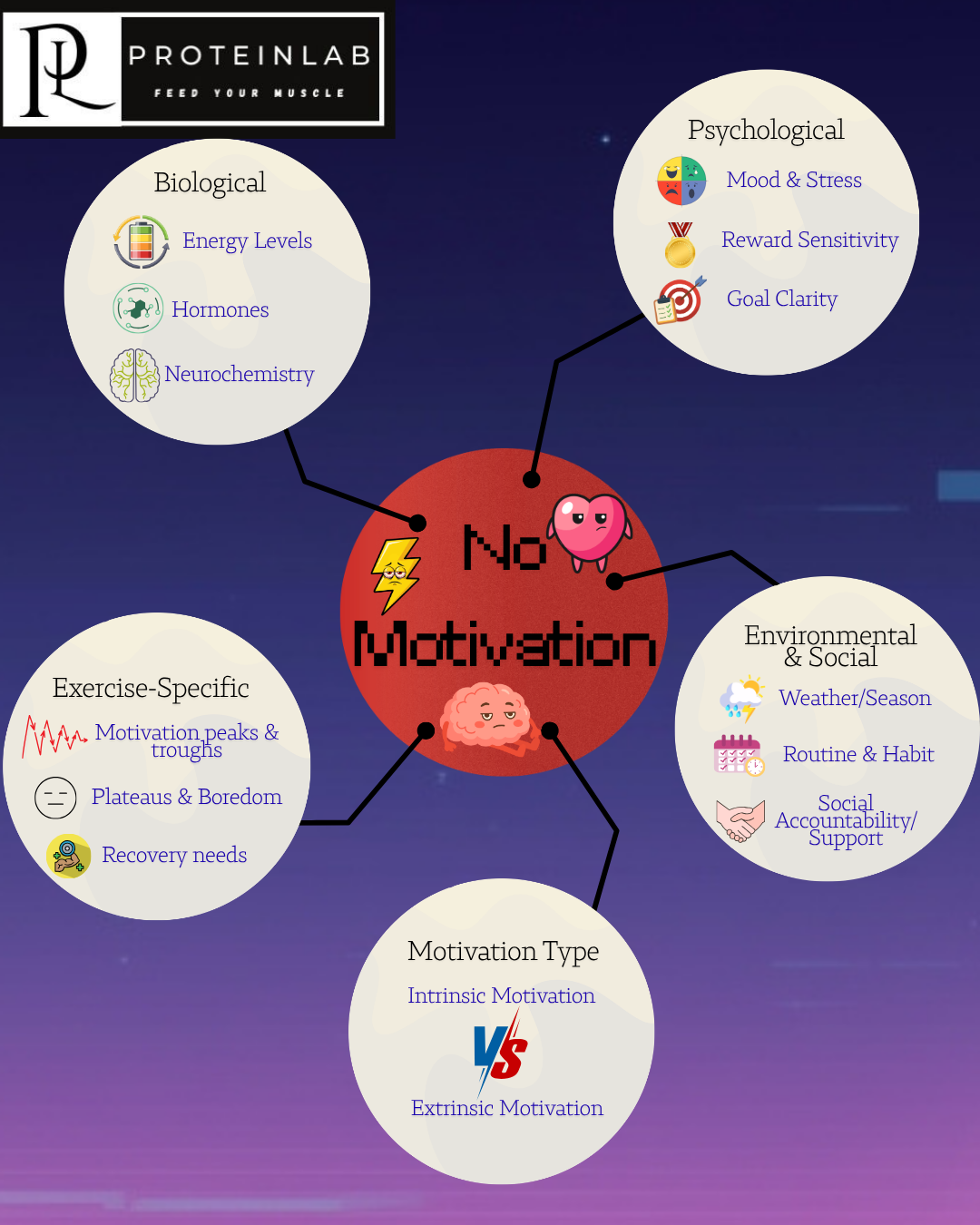
Factors Affecting Motivation
1. Biological and Neurochemical Factors
Daily motivation is heavily influenced by fluctuating neurochemicals and physical states.
- Neurochemical Balance: Three major neurotransmitters strongly influence motivation to exercise: dopamine, serotonin, and norepinephrine. Each plays a different role in how we want, feel about, and perform physical activity.
Dopamine is the most closely linked to drive and motivation. It creates the anticipation for the reward of feeling good after exercise and encourages goal-directed behaviour like sticking to a strict workout plan. Basically, dopamine reinforces habits by linking exercise with a reward response. During exercise there is an uptick in the dopamine secretion in the brain, which leaves you feeling satisfied and reinforces repetition. When Dopamine is low, there may be a lack of drive to start exercising, reduced enjoyment of physical activity and the desire to procrastinate working out.
Serotonin primarily affects mood, emotional stability, and overall sense of well-being. It improves mood and emotional resilience, making exercise feel more pleasant, while regulating the stress and anxiety that often reduce motivation. It also enhances motivation by reducing the perceived effort and cost of tasks, making challenging activities feel more manageable and the rewards feel more desirable. Physical activity increases serotonin synthesis and release, contributing to the ‘feel-good’ effect after exercise. Low serotonin levels negatively affect motivation, resulting in low moods, higher stress sensitivity, fatigue and reduced enthusiasm for exercise.
Norepinephrine (also called noradrenaline) regulates alertness, focus, and physical readiness. It has been linked to increased mental focus and attention during workouts. Noradrenaline boosts the body’s energy availability, making it easier to respond to physical demands. Exercise stimulates the release of norepinephrine in the brain and body, which increases heart rate, blood flow, and mental alertness and prepares you for physical activity. When Noradrenaline levels are low, you may have low energy, feel mentally sluggish and find it difficult to concentrate.
- Circadian Rhythms: Motivation to move typically follows a circadian waveform (the body’s internal clock), often peaking in the mid-afternoon (near 1500 h) and hitting a low point when the body's drive for rest is at its highest (0000 h). There are a number of reasons for this. Firstly, body temperature naturally rises through the day and peaks in the afternoon. Warmer muscles have better muscle efficiency, flexibility and reaction time. This can make exercise feel easier and more appealing. Second of all, the hormones that influence performance and motivation fluctuate during the day. Cortisol is highest in the morning and gradually declines, reducing stress signals, while Testosterone supports strength and performance earlier in the day but remains sufficient through the afternoon. This hormonal balance often supports better energy and exercise readiness later in the day. Finally, the neurotransmitters linked to motivation and mood become more balanced during the day (Dopamine, Serotonin and Norepinephrine). Together, these help improve mental drive and readiness for physical activity. Motivation to exercise often drops during periods when the body is biologically programmed for rest, mainly early morning when body temperature is low, muscles are stiff and alertness is still increasing and late evening or at night when the sleep hormone Melatonin rises, energy levels decline and the body prepares for recovery and sleep. These phases naturally reduce the drive to move.
- Hormones: Cortisol, testosterone, and dopamine impact your willingness to move or take on challenges.
Cortisol is often called the stress hormone, but it is also essential for energy regulation and physical readiness. During moderate-to-intense exercise cortisol levels in the body naturally spike temporarily. This helps mobilise energy from glucose and fatty acids to fuel the muscles and the brain. Cortisol increases alertness and mental focus before and during exercise and supports the body’s fight-or-flight response, preparing muscles for exertion. After exercise cortisol levels gradually decline as the body recovers. Chronically high cortisol levels may result in fatigue, burnout, reduced recovery and decreased enthusiasm to exercise, while very low cortisol levels may leave you feeling fatigued, unmotivated and physically weak. Exercise helps the body regulate cortisol by training its responses to cortisol in order to prevent the cortisol levels from getting chronically high or low.
Testosterone is a steroid hormone that is strongly linked to drive, competitiveness, confidence, and physical performance. It increases drive, ambition, and willingness to take on challenges, while supporting muscle strength, power, and recovery. In short, testosterone enhances competitive motivation, especially in strength training or sports, and makes exercise feel more rewarding. During resistance training and high-intensity workouts, testosterone levels temporarily increase, enhancing motivation, mood, and training intensity. Lower than normal levels may lead to reduced motivation to exercise, low energy levels and reduced muscle strength and training drive.
Similar to the neurotransmitter dopamine, as a hormone, Dopamine still makes exercise feel more rewarding.
- Fatigue and Energy Levels: Sleep quality, nutrition, and overall health affect how much drive you have. Low energy naturally reduces motivation. Poor sleep can reduce baseline dopamine by up to 30%, making planned workouts feel too much. Consistent sleep patterns are often more important for next-day motivation to exercise compared to total sleep duration.
2. Psychological and Cognitive Factors
How you think about exercise and your current mental state directly impacts your drive to do it.
- Mood and Stress: High stress or low mood can sap motivation, making even small workouts feel daunting. Stress generally acts as an inhibitor of exercise behaviour. High levels of perceived stress are strongly associated with lower levels of physical activity and infrequent exercise. Stress also depletes the body’s self-regulatory resources, making it even harder to overcome the inertia of starting a workout. A positive mood and feeling upbeat increases confidence and mental focus, making it easier to start working out. Interestingly, stress and mood and exercise motivation have a reciprocal relationship. When you exercise regularly, the levels of neurotransmitters like serotonin and dopamine are altered. This helps to buffer the brain against stress, leaving you more motivated to exercise. The same thing goes for mood, with each workout leaving you in a more positive mood and thus making you more motivated to exercise again.
- Goal Clarity: Clear, achievable goals increase motivation. Defining specific, achievable targets that provide a sense of direction and accomplishment helps increase your motivation, as you may feel pushed to achieve them. Clarity focuses your attention on goal-relevant activities and away from distractions. Well-defined objectives extend the time people are willing to commit to a task, especially when facing setbacks, and force the brain to develop specific plans and relevant strategies to reach the target. Hitting small, clear milestones triggers the release of dopamine, which reinforces the behaviour and creates a success cycle. Goal clarity is also a precursor to self-efficacy (confidence in your ability to succeed), because when you can clearly see progress through measurable benchmarks, your confidence grows, further fuelling your motivation to do more. Unclear objectives can feel daunting, leading to burnout or abandonment. Without clear filters, every workout requires a new decision, which can lead to decision fatigue that depletes willpower. Vague and distant goals can lead to dips in motivation.
3. Environmental and Social Factors
External circumstances can nudge you either toward or away from exercise.
- Weather/Season: Weather and seasonal patterns significantly influence exercise motivation through both physiological and psychological pathways. Changes in temperature, humidity, and daylight affect the body’s internal regulation systems, particularly the Circadian Rhythm. For example, exposure to natural light regulates melatonin and serotonin levels, which influence alertness and mood. During periods of low sunlight or heavy rain (common in tropical climates like Malaysia’s monsoon seasons), reduced light exposure can lower serotonin activity, leading to decreased mood and reduced willingness to engage in physical activity. Additionally, high heat and humidity increase cardiovascular strain and perceived exertion, making exercise feel more physically demanding even at the same intensity. This increased effort cost can subconsciously discourage movement. On the other hand, cooler or more comfortable weather reduces physiological stress and improves exercise performance, making workouts feel easier and more enjoyable. As a result, environmental conditions directly shape whether exercise feels like an accessible activity or an avoidable strain.
- Routine and Habit (Routine Disruption): Exercise motivation is strongly tied to routine stability because habits rely on consistent environmental cues and timing. From a neurological perspective, repeated behaviours are encoded in the brain’s basal ganglia, which helps automate actions and reduce the need for conscious decision-making. When a routine is stable, such as working out after work each day, the brain associates that time and context with exercise, lowering the mental effort required to initiate the behaviour. However, when routines are disrupted, these cues are removed. This forces the brain to shift control back to the prefrontal cortex, which requires more effort, planning, and motivation to act. As a result, exercise no longer feels automatic and becomes easier to postpone or skip. Over time, repeated disruptions weaken the habit loop, increasing resistance and decreasing consistency. This is why maintaining even a simplified version of a routine during busy or unpredictable periods is critical for preserving exercise behaviour.
- Social Accountability and Support: Social environments play a powerful role in shaping exercise behaviour through mechanisms such as accountability, reinforcement, and social influence. As humans, we are inherently social, and our behaviour is often guided by the desire for belonging and validation. Exercising with others or being part of a fitness community increases adherence by activating reward pathways linked to dopamine, reinforcing the behaviour through positive social feedback. Additionally, accountability, like having a workout partner or coach, creates an external expectation, which increases follow-through by reducing the likelihood of skipping sessions. From a behavioural science perspective, this is known as social facilitation, where the presence of others enhances performance and consistency. Conversely, a lack of social support or being surrounded by inactive peers can reduce motivation, as there is less reinforcement encouraging exercise. In negative social environments, for example, due to discouragement or lack of understanding, motivation can be actively suppressed. Supportive social structures not only make exercise more enjoyable but also strengthen the psychological commitment to maintain it over time.
4. Exercise-Specific Patterns
Sometimes the particular exercise itself can have an effect on your motivation to work out.
- Motivation Peaks and Troughs: Motivation to exercise does not remain constant and often follows predictable peaks and troughs driven by both biological rhythms and psychological reinforcement. Physiologically, fluctuations in energy, hormone levels, and neural activity (especially dopamine) influence how rewarding exercise feels at different times. Psychologically, motivation tends to spike during fresh start periods, such as the beginning of a week or after setting a new goal, and decline when fatigue accumulates or progress slows. These peaks and troughs are normal and reflect the brain’s adaptive response to effort and reward.
- Plateaus and Boredom: Plateaus and boredom can significantly reduce exercise motivation due to both physiological adaptation and reduced neural stimulation. From a biological standpoint, the body adapts to repeated training stimuli through improved efficiency in muscle fibres, energy systems, and neuromuscular coordination. While this adaptation is beneficial for performance, it also means that the same workout produces less physiological stress and fewer noticeable improvements over time, leading to a plateau. Psychologically, the brain responds to novelty and challenge; repetitive routines with little variation reduce activation in reward-related pathways, particularly those involving dopamine. As a result, workouts may begin to feel monotonous and less engaging, decreasing intrinsic motivation. Additionally, the absence of visible progress can weaken the perceived link between effort and reward, which is critical for maintaining
- Recovery needs: It directly affects both physical readiness and central nervous system function. Exercise creates controlled stress on the body, leading to muscle micro-damage, depletion of energy stores, and activation of stress hormones such as Cortisol. Proper recovery through sleep, nutrition, and rest allows the body to repair tissues, restore glycogen levels, and rebalance hormones. When recovery is insufficient, fatigue accumulates at both the muscular and neurological levels, leading to decreased performance, increased soreness, and reduced motivation to exercise. Adequate recovery enhances physical readiness and improves mood, making exercise feel more achievable and reinforcing the desire to continue.
5. Motivation Types and Adherence
There are 2 specific categories of internal or external forces that initiate, direct, and sustain people’s behaviour toward a goal:
- Intrinsic Motivation: This refers to engaging in exercise for internal satisfaction, such as enjoyment, personal challenge, or a sense of accomplishment. Intrinsic motivation is strongly linked to activation of the brain’s reward system, particularly Dopamine pathways which reinforce behaviours that are perceived as pleasurable or meaningful. When exercise is intrinsically motivated, it is associated with autonomy (choice), competence (skill mastery), and relatedness (connection). These factors enhance long-term adherence because the behaviour itself becomes rewarding, independent of external outcomes. Intrinsically motivated exercise is often seen as less effortful, as positive emotional states can reduce the brain’s perception of fatigue and effort. Over time, this creates a sustainable feedback loop where exercise improves mood, reinforces enjoyment, and strengthens the habit. As a result, people driven by intrinsic motivation are more likely to maintain consistent exercise patterns even in the absence of immediate results or external pressure.
- Extrinsic Motivation: It involves engaging in exercise due to external rewards or pressures like improving physical appearance, achieving weight loss, gaining social recognition, or meeting performance targets. This form of motivation is also influenced by dopamine signalling, particularly in response to anticipated rewards or goal achievement. While extrinsic motivation can be highly effective in initiating behaviour, especially in the early stages, it tends to be less stable over time compared to intrinsic motivation. This is because the brain gradually adapts to external rewards, reducing their impact on motivation through a process known as reward habituation. Additionally, if progress slows or external validation decreases, motivation can decline rapidly. The most sustainable exercise behaviours often occur when extrinsic motivators are gradually internalised, transforming external goals into personally meaningful reasons for continued engagement.
Physical Burnout
Physical burnout is a state of chronic physical exhaustion caused by prolonged physical or mental stress, overwork, or insufficient recovery. It’s not just feeling tired after a workout; it’s a deeper, persistent fatigue that affects your body’s ability to function optimally.
What causes physical burnout?
- Overtraining: Exercising intensely without adequate rest or recovery strains the body.
- Poor sleep: Chronic sleep deprivation reduces energy and muscle repair.
- Nutritional deficits: Lack of protein, vitamins, minerals, micronutrients and calories can impair energy production and prevent the body’s stores from properly getting replenished.
- High stress: Mental or emotional stress increases cortisol, which can drain physical energy, keeping the body in a prolonged state of fight-or-flight (sympathetic nervous system hyperactivation) instead of switching to rest-and-digest (parasympathetic system activation) that is ideal for burnout recovery.
- Lifestyle factors: Sedentary habits or excessive physical strain without balance can both result in physical burnout.
- Unmanageable workload: Long hours and high-pressure deadlines increase stress and thus increase burnout. They can also prevent you from taking enough time to sleep, eat well and exercise, which also contribute to burnout.
Symptoms of Physical Burnout
- Persistent fatigue even after rest
- Reduced strength, endurance, or performance
- Muscle aches and soreness that doesn’t go away
- Sleep disturbances and insomnia
- Frequent illness or weakened immunity
- Stomach aches, bowel problems, changes in appetite and digestive issues
- Low motivation or irritability
- High blood pressure, heart palpitations and other cardiovascular issues.
Although they may seem similar, stress, depression and burnout are 3 different things. Stress involves over-engagement and urgency, whereas burnout is about feeling empty, detached, and hopeless. Unlike depression, which typically affects all areas of life regardless of the environment, burnout is usually tied to a specific situation, so if you remove the stressor, you may feel relief. Physical burnout is essentially your body telling you to slow down because it needs time to repair itself. If ignored, this can lead to long-term injury, chronic fatigue, or more serious health issues.
Nutritional Support for Consistency
Nutritional Support means using food and supplements strategically to help your body maintain steady energy, recovery, and performance over time so you can stay consistent in workouts, work, and daily life without crashing or burning out.
Consistency in training or productivity isn’t just about motivation; it relies on your body having steady fuel and recovery resources. Poor nutrition leads to:
- Energy crashes during workouts or work
- Slower recovery from exercise
- Increased fatigue and risk of burnout
- Reduced focus and mental clarity
Core Strategies for Consistency
Dietary habits are foundational for maintaining steady energy levels throughout the day. Strategies that can help you do this include:
- Prioritising Complex Carbohydrates: Whole grains like oats, quinoa and brown rice, legumes, and sweet potatoes are ideal for supporting consistency. They release glucose slowly, preventing the spikes and crashes common with refined sugars that lead to mood swings and energy dips.
- Consistent Protein Intake: Lean protein like chicken, fish, eggs, tofu, or lentils should be included in every meal. Protein is essential for tissue repair and provides the amino acids like tryptophan and tyrosine needed to produce the feel-good neurotransmitters like serotonin and dopamine.
- Strategic Meal Timing: Eating regular, balanced meals to avoid blood sugar fluctuations. For those with significant burnout, eating a protein-rich breakfast within an hour of waking and incorporating small healthy snacks every 2–3 hours can help keep cortisol levels stable.
- Hydration with Electrolytes: Dehydration can increase cortisol and cause physical fatigue. Beyond water, drinks like 100 Plus can help replenish electrolytes during physical activity.
Essential Nutrients for Energy & Resilience
Chronic stress and burnout frequently deplete specific vitamins and minerals necessary for cellular energy. Some of these include:
- B-Vitamin Complex: Essential for transforming food into cellular energy (ATP). They act as vital coenzymes that allow cells to extract fuel from dietary carbohydrates, fats, and protein.
- Magnesium: Magnesium acts as a cofactor that helps convert food into energy by facilitating the synthesis of ATP. It also aids in muscle contraction and relaxation by regulating the flow of calcium and potassium across cell membranes. This helps prevent muscle cramps, spasms, and tremors.
- Omega-3 Fatty Acids: These help lower cortisol levels and reduce the inflammation associated with chronic stress. Consistent omega-3 supplementation can lower total cortisol levels and stabilise the hypothalamus-pituitary-adrenocortical (HPA) axis, which is the body's stress response system (the HPA axis). They also inhibit pro-inflammatory cytokines, which are directly linked to feelings of fatigue and low energy, and enhance mitochondrial efficiency, which is essential for cellular energy production during recovery from burnout.
- Iron & Vitamin C: Physical burnout often stems from cellular oxygen debt. Iron is used to synthesise haemoglobin, the component of red blood cells that is critical for oxygen transport. It is also necessary for synthesising neurotransmitters like dopamine and serotonin, so iron helps restore the cellular fuel depleted by burnout. Iron is notoriously difficult for the body to absorb, so pairing it with Vitamin C maximises its absorption and significantly increases its effectiveness. Vitamin C also neutralises the cellular damage caused by free radicals, which are usually generated by intense physical stress.
To support physical endurance and recovery, especially when dealing with burnout, your strategy must shift from pushing through to replenishing and repairing.
1. Endurance Support
Endurance during recovery isn't about peak intensity; it's about maintaining a steady state without further depleting your reserves. Endurance support focuses on sustaining energy and performance over long periods, whether in workouts, sports, or daily activity. It involves providing the fuel and physiological resources your body needs to sustain prolonged activity.
- Carbohydrates: These are the primary energy source for muscles. Carbs help prevent fatigue and maintain stamina during long workouts or cardio sessions. They are usually stored as glycogen in the muscles and the liver. During aerobic exercise, glycogen is broken down via glycolysis to produce ATP. Glycogen depletion reduces both physical performance and motivation, so additional carbohydrate support is essential.
- Electrolytes: They are important for maintaining hydration, nerve signalling, and muscle function. Electrolytes, especially sodium and magnesium, prevent cramps and performance dips. As ions, they maintain resting membrane potential and action potential propagation in nerves and muscles. Any electrolyte imbalances can impair neuromuscular signalling, causing cramps and reduced endurance, so supplementation is important.
- Iron: It supports oxygen transport to muscles and is critical for sustained aerobic performance.
- Caffeine: It enhances alertness and reduces perceived exertion, helping you stay motivated to push through long sessions. Adenosine is a byproduct of energy consumption, and the more adenosine you have, the more it binds to its receptors, slowing down nerve cell activity and making you feel drowsy. Caffeine, which has a nearly identical molecular structure to adenosine, antagonises adenosine receptors, reducing central fatigue and increasing dopamine and norepinephrine availability. This enhances perceived energy and motivation for prolonged activity.
- Beta Alanine: It’s an amino acid that helps buffer acid buildup in muscles, delaying the burn that comes during high-intensity bursts. Carnosine acts as an intracellular buffer, neutralising hydrogen ions from lactic acid that builds up during intense exercise, which is a primary cause of muscle fatigue. Beta-alanine supports endurance by increasing the levels of carnosine in your muscles, delaying fatigue.
- Creatine: It increases the body’s ability to perform high-intensity repeated exercises. Creatine increases intramuscular phosphocreatine (PCr) stores, allowing for faster resynthesis of ATP (cellular energy) during the high-intensity bursts in endurance training. When combined with carbs, it enhances glycogen storage, providing a larger store of energy for training.
2. Recovery Support
- Protein: Supplies essential amino acids for muscle protein synthesis. Exercise triggers Muscle Protein Synthesis (MPS), which uses amino acids as building blocks to build muscle. Protein supplementation provides these amino acids. Leucine is a BCAA that triggers MPS. BCAAs are branched amino acids that are a type of Essential Amino Acid (EAA). EAAs are amino acids that must be obtained from diet because the body cannot naturally synthesise them. EAA, BCAA and protein consumption can not only help grow muscles but also repair damaged muscles, manage delayed onset muscle soreness and replenish muscle glycogen stores when paired with carbs.
- Carbs: They replenish glycogen stores in muscles and liver for the next workout via insulin-mediated glucose uptake. During exercise, your body breaks down stored carbohydrates in the form of glycogen for energy. Restoring these stores is critical for maintaining performance in future training sessions. The replenished liver glycogen also helps maintain stable blood sugar levels during rest and sleep. Consuming enough carbohydrates also ensures that your body uses those carbs for energy instead of breaking down the protein in your hard-earned muscle tissue for fuel.
- Omega-3 fatty acids: They reduce exercise-induced inflammation and support joint health. Omega-3s reduce the production of pro-inflammatory cytokines, modulating inflammatory signalling. This mitigates muscle soreness and accelerates recovery. Omega-3s also strengthen the cell membrane, making it more resilient to the microscopic tears caused by exercise. Improving membrane stability reduces the leakage of muscle damage markers like creatine kinase (CK) into the bloodstream. Omega 3 fatty acids support the production of synovial fluid, which lubricates the joints to reduce friction and improve overall mobility. They also inhibit enzymes that break down the cartilage matrix on the joints, protecting them from deterioration.
- Vitamin C: Antioxidants like vitamin C combat oxidative stress from intense workouts, supporting quicker recovery. They neutralise reactive oxygen species (ROS) generated during exercise, protecting mitochondria, muscle membranes, and DNA from oxidative stress, which would otherwise damage them and impair recovery. Vitamin C accelerates the regeneration of tendons, ligaments, and cartilage, which are under significant mechanical stress during exercise and increases collagen production. It can also strengthen immune cells and lower biomarkers of muscle damage, such as CK, following high-intensity training.
- Electrolytes and Hydration: These restore intracellular fluid balance, which is essential for enzyme function, nerve conduction, and metabolic reactions in muscle recovery. This reduces fatigue and cramping, promoting recovery.
Importance of Endurance and Recovery Support
Endurance Support | Recovery Support |
Providing energy | Repairing muscles |
Keeping nerves and muscles firing | Restoring energy |
Delaying tiredness | Reducing inflammation and fatigue |
Habit Sustainability: The Missing Link Between Motivation and Consistency
Most people think exercise success comes down to motivation. But in reality, long-term results depend on something more powerful: habit sustainability. This is the ability to keep showing up consistently, even on low-energy or low-motivation days. Failure may happen if you cannot sustain the habit long enough for it to become part of your lifestyle.
Why do habits fail over time?
Many people start strong with a new fitness routine but gradually lose motivation and fall off. Most of the time this isn’t due to lack of discipline; it’s because the body is not supported enough to sustain the habit. This may be due to:
- Persistent fatigue from poor nutrition or recovery
- Muscle soreness that makes the next workout feel harder
- Energy crashes that make exercise feel like a burden
- Mental burnout from constantly forcing workouts
When exercise consistently feels difficult, the brain begins to associate it with stress instead of reward, making the habit harder to maintain.
What Makes a Habit Sustainable?
For exercise to become sustainable, it needs to meet three key conditions:
- It Feels Doable: If workouts are too intense or exhausting, they become difficult to repeat. Sustainable habits are built on manageable effort, not maximum effort.
- It Feels Rewarding: The brain reinforces behaviours that feel good. When exercise leads to better mood, improved energy and reduced stress, it becomes something you want to repeat, not something you force.
- It Fits Your Lifestyle: Consistency improves when exercise aligns with your daily routine, whether it’s morning, lunchtime, or evening. The easier it fits into your schedule, the more sustainable it becomes.
How the Body Influences Habit Formation
For a habit to stick, the brain needs to perceive it as manageable and rewarding. When workouts feel energising, you are more likely to repeat them. When recovery is smooth, you will not dread the next session. When your progress is noticeable, the motivation to make more progress reinforces the habit. This creates a positive feedback loop. If the body is underfuelled, overworked and poorly recovered, the loop breaks.
To achieve sustainable habits, you need to shift your focus from motivation – the initial spark – to consistency – the system that sustains it. While motivation is emotional and fluctuates based on mood or stress, consistency is structural and relies on repeatable routines that eventually become automatic.
- Motivation is for Starting: It provides the energy to initiate a new behaviour but is unreliable for long-term maintenance.
- Consistency is for Staying: It builds neural pathways through repetition, eventually making the behaviour second nature.
- Sustainability is the Bridge: A habit is sustainable when it is flexible enough to survive bad days and fits into your actual life rather than an idealised version of it.
Supporting Long-Term Discipline: Staying Consistent When Motivation Fades
Motivation is unpredictable. Some days you feel driven, other days you don’t. That’s why long-term success in exercise doesn’t come from motivation; it comes from discipline. However, discipline isn’t about forcing yourself every day. True discipline is about creating a system where showing up becomes the default, not a constant struggle.
Discipline is often misunderstood as pushing hard no matter what. In reality, sustainable discipline is:
- Consistency over Intensity
- Structure over Spontaneity
- Systems over Willpower
Discipline is the ability to keep going even when you’re tired, busy, or not in the mood without burning out. Even disciplined people struggle when their body and environment aren’t supportive. This may be due to:
- Chronic fatigue from poor nutrition or sleep
- Soreness and slow recovery
- Mental burnout from overly intense routines
- Lack of structure or clear routine
When exercise constantly feels like a battle, discipline becomes harder to maintain over time. To move beyond fleeting motivation and build lasting consistency, there are several psychology-backed methods you can use:
1. Habit Stacking: Attach your new habit to an existing one that is already automatic. The brain prefers familiar patterns. When a behaviour is already repeated daily, it requires very little mental effort. By linking exercise to these routines, you reduce the need for decision-making. Instead of procrastinating, saying you’ll work out when you have time, anchor it to something specific like going to the gym immediately after you leave the office. Over time, the brain starts to associate the first habit with the second, building consistency.
2. Reduce Friction: Friction refers to anything that makes starting or completing a workout feel difficult, inconvenient, or draining. The higher the friction, the less likely you are to follow through, even if you really want to. Friction may show up as feeling too tired after a long day, muscle soreness from your last workout session or small inconveniences like finding your gym clothes. Individually, these seem minor. But together, they create enough resistance to make skipping exercise feel like the easier option. Your goal should be to make exercise easier to start. Design your environment to make the desired habit easy to start, for example, laying out gym clothes the night before, and bad habits harder to do.
3. The ‘Never Miss Twice’ Rule: No matter how disciplined or motivated you are, you will miss workouts. Work, traffic, fatigue, or unexpected events are all a part of life. The problem isn’t missing once; it’s missing twice. Missing one workout is normal. But when you miss two in a row, something shifts; the routine starts to break, momentum is lost, and it becomes easier to skip again. What was once a habit quickly turns into a pattern of inconsistency. Habits are built on repetition and rhythm. When that rhythm is disrupted repeatedly, the brain stops recognising exercise as a default behaviour. Perfection is not required for consistency. If you miss one day, focus entirely on showing up the very next day to prevent a total break in the habit loop.
4. Track Your Progress: Without tracking, workouts can feel repetitive and unrewarding, but when progress is visible, exercise becomes purpose-driven, which naturally reinforces the habit. Without that visible progress, workouts feel like they’re going nowhere, motivation drops and skipping sessions becomes easier. Use a simple checklist or app to visualise your streaks. Track your performance metrics (strength and endurance), consistency metrics (streaks) and energy and recovery. Seeing your progress acts as a secondary motivator on days when your internal drive is low.
What Supplements Actually Help You Stay Consistent?
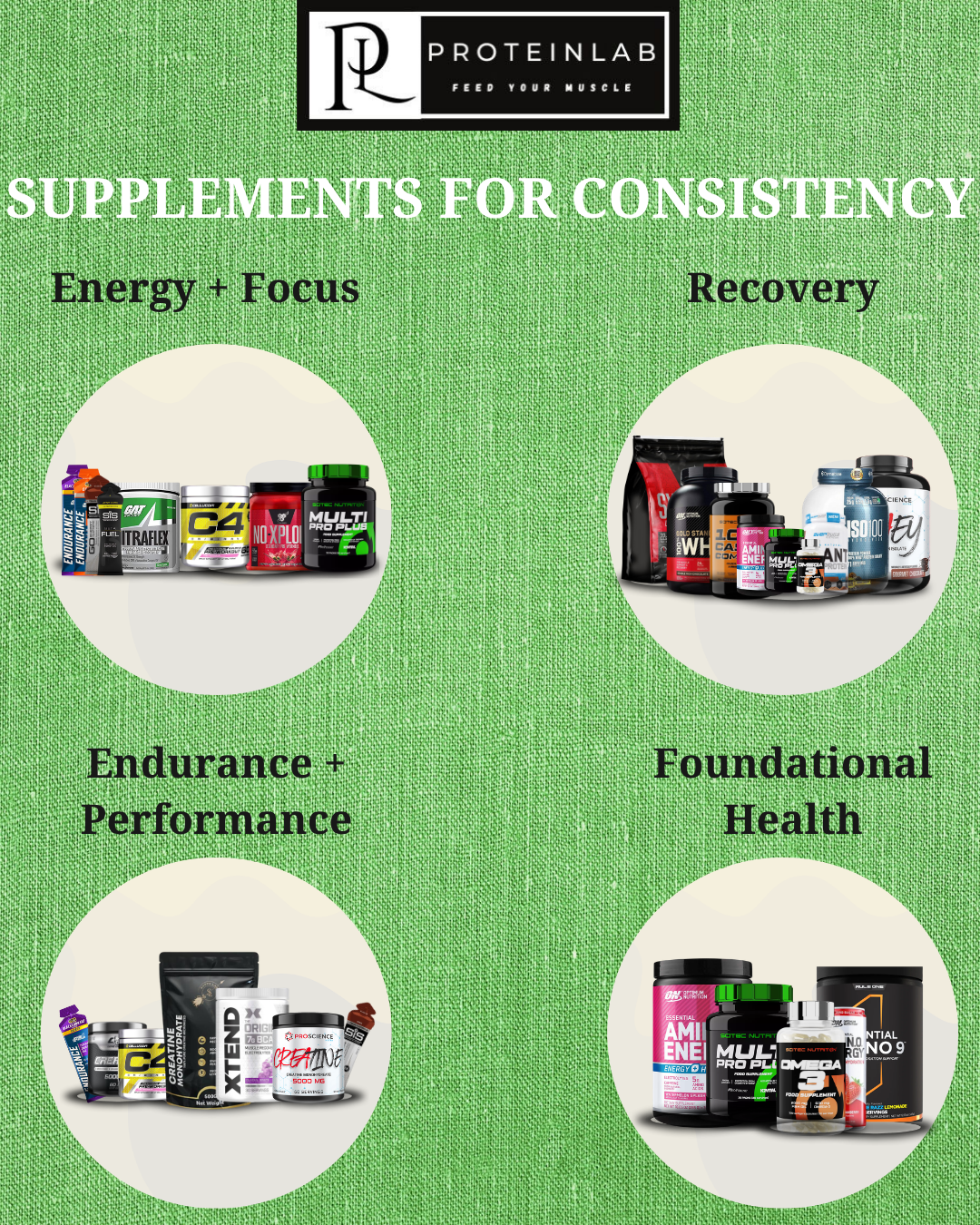
After understanding how motivation fluctuates, from neurotransmitters and hormones to fatigue, stress, and recovery, one thing becomes clear: Consistency is not just mental. It’s biological. If your body lacks energy, struggles with endurance, or fails to recover properly, no amount of motivation will keep you consistent long-term. This is where supplements come in, not as shortcuts, but as tools to support the systems that drive consistency.
- Energy & Focus Supplements: Helping You Show Up
When dopamine is low, cortisol is imbalanced, or sleep quality is poor, the hardest part is simply starting. Supplements that can help you combat this include:
- Pre-workouts (caffeine, beta-alanine, amino acids)
- Caffeine-based energy gels
- Electrolyte hydration formulas
- B-vitamin complexes
These supplements directly target the neurochemical barriers, making workouts feel more achievable, not overwhelming.
- Endurance & Performance Supplements: Making Workouts Sustainable
Even if you start your workout, consistency breaks when sessions feel too exhausting. This is where endurance supplements help maintain performance without burning out.Some supplements you can try out include:
- Creatine monohydrate
- Beta-alanine
- BCAAs / EAAs (amino acids)
- Intra-workout carbohydrate + electrolyte blends
Biologically, these supplements help maintain neuromuscular efficiency and energy availability, reducing the perceived effort cost of exercise.
- Recovery Supplements: The Real Driver of Long-Term Consistency
Most people think consistency is about pushing harder. In reality, it’s about recovering better. Without recovery, fatigue accumulates, cortisol stays elevated, and motivation drops. Good recovery supplements to try are:
- Whey Protein (concentrate, isolate, hydrolyzed, clear)
- Plant Protein
- Casein Protein
- Beef Protein
- Multi-Source Protein
- Amino acids (EAA and BCAA)
- Omega-3 fatty acids (fish oil)
- Magnesium
- Vitamin C and antioxidants
Recovery supplements directly support the body’s ability to reset after stress, preventing burnout and keeping you physically ready to train again.
- Foundational Health Supplements: Supporting the System
Consistency isn’t just about workouts; it’s about your overall physiological state. Key supplements for this include:
- Multivitamins
- Iron + Vitamin C (for oxygen transport)
- Omega-3 fatty acids
- Electrolytes
These supplements help stabilise the internal environment that influences motivation, energy, and recovery.
Motivation will always rise and fall. As we’ve seen, it is influenced by a complex interaction of neurochemicals, hormones, energy levels, mental state, environment, and even the structure of your workouts. Some days your body and mind are aligned, making exercise feel natural and rewarding. On other days, biological fatigue, stress, or simple decision overload can make even starting feel like a challenge.
This is why relying on motivation alone is not a sustainable strategy. Motivation is a spark, but it is not a system. Long-term results come from building systems that support consistency through strong habits, clear routines, reduced friction, and a body that is properly fuelled and recovered.
When you understand how these factors work, everything changes. You stop blaming yourself for lack of discipline and start recognising that consistency is something you engineer, not something you wait to feel. By supporting your body with proper nutrition, managing recovery, structuring your environment, and using strategies like habit stacking and the “never miss twice” rule, exercise becomes less of a struggle and more of a natural part of your routine.
And this is where the right support matters. High-quality nutrition, from energy and endurance supplements to recovery-focused products, can help reduce fatigue, improve performance, and make each workout feel more manageable. Over time, this creates a positive cycle where training feels better, recovery is faster, and consistency becomes easier to maintain.
In the end, success in fitness isn’t about how motivated you feel on any given day; it’s about how consistently you can show up, adapt, and keep going over time.

Be safe and rest assured that you are getting 100% authentic products at the lowest price when you purchase from ProteinLab Malaysia.
You can also like our Facebook for more promotion news at :
Or you can also follow Instagram for more nutrition tips: