


Nutritional burnout refers to a state where poor diet, nutrient deficiencies, or long-term imbalanced eating patterns lead to chronic fatigue, low energy, reduced mental performance, and physical exhaustion. It occurs when the body does not receive enough essential nutrients to support normal metabolic and physiological functions.
Invisible nutritional burnout refers to a state where a person is functioning normally on the surface but is slowly becoming nutritionally depleted, leading to declining energy, recovery, and health over time. It is called “invisible” because the symptoms are subtle and often ignored or mistaken for normal stress or tiredness. It is sometimes also called "hidden hunger," since the body is functionally depleted of essential micronutrients despite consuming enough calories. Standard medical tests often return as "normal," yet the body lacks the cellular resources to manage stress, maintain energy, and regulate mood.
Effects of the modern Fast-paced life
A fast-paced life which is usually characterized by constant work demands, tight schedules, multitasking, and limited rest can have significant effects on both physical and mental health. Over time, this lifestyle can contribute to fatigue, stress, and reduced overall well-being. When life moves at a breakneck speed, your body and brain start taking shortcuts just to keep up. Fast-paced life disrupts nutrition by promoting rushed, convenience-driven eating that leads to nutrient gaps and burnout-like symptoms.
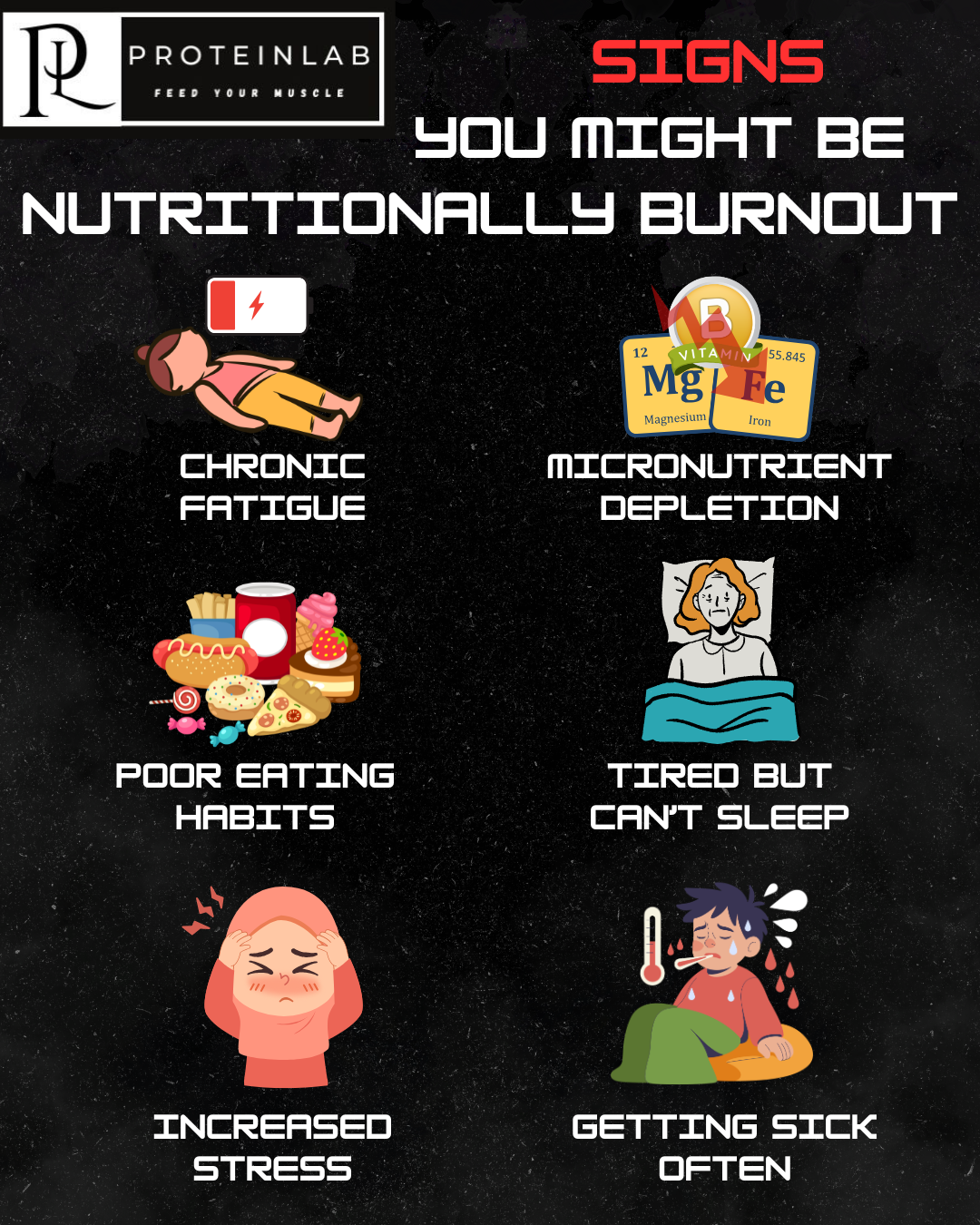
1. Chronic Fatigue and Low Energy: Living in a fast-paced environment often means long working hours, commuting, irregular meals, and lack of sleep. This prevents the body from properly recovering. Even without heavy physical exercise, the body still consumes large amounts of energy. This constant demand increases glucose utilization in the brain, stress hormone production and cellular ATP turnover (energy molecules). When the body repeatedly burns energy faster than we consume nutrients to replenish it, fatigue accumulates gradually, leading to the persistent tiredness associated with nutritional burnout.
2. Nutritional Imbalance and irregular eating patterns: Busy lifestyles often lead us to skip meals or choose food that is convenient and easy to make/get but less nutritious foods, such as fast food or processed meals, rather than balanced meals that may be more time-consuming or complex to prepare. We may also end up consuming high sugar or caffeine. These habits create blood sugar fluctuations, which lead to short bursts of energy, sudden crashes and increased cravings for stimulants. Over time, the body becomes metabolically unstable, worsening fatigue.
3. Increased Stress Levels: A constantly busy lifestyle activates the body’s stress response system. It keeps the body stays in a state of sympathetic nervous system activation (Fight or Flight). This can lead to issues such as digestive shutdown where stress diverts blood away from the gut and toward the limbs and other organs that are more essential for survival, which prevents adequate absorption of the nutrients from any food eaten. The stress also spikes cortisol, which makes you crave quick energy (sugar and refined carbs). Chronic cortisol elevation also impairs the digestive systems ability to properly digest the food and absorb the macro and micro-nutrients that further increases nutritional burnout.
4. Micronutrient Depletion: Energy production depends heavily on vitamins and minerals that act as metabolic cofactors. Fast-paced lifestyles often deplete nutrients like B vitamins which are essential for converting food into energy. B vitamin deficiencies may often result in low stamina, sleep disturbances, lethargy and mental fatigue which contribute to invisible nutritional burnout. Magnesium, another micronutrient that supports ATP production and nerve function, may also get depleted which may cause muscle spasms and soreness and poor sleep. Iron is a micronutrient that is required for oxygen transport in the blood. It is used to synthesise Haemoglobin, the component of red blood cells that enables them to transport oxygen. Haemoglobin is made up of 2 parts: the haem group which is synthesised using iron and the globin made from protein chains. Low iron contributes to brain fog and fatigue due to inadequate oxygen transportation to the brain and the rest of the body. When these nutrients are constantly used but not adequately replaced through diet, the body experiences deficiencies that reduce energy efficiency and result in nutritional burnout.
5. Poor Sleep and Circadian Disruption: Fast lifestyles often mean late nights, early mornings and excess screen time. Sleep deprivation affects hormones that regulate energy. It will result in elevated cortisol which as mentioned above depleted the body’s resources and results in “brain fog” and chronic “fight or flight” responses. Melatonin is a naturally occurring hormone produced by the brain in response to darkness, helping regulate the sleep-wake cycle and circadian rhythms. The irregular sleeping patterns and circadian rhythm disruptions may cause insomnia, chronic mental fatigue and poor stress responses associated with burnout.
6. Reduced Physical Health: A fast-paced lifestyle can gradually weaken a person’s physical health even when they appear productive and active. Long working hours, irregular routines, and constant stress place continuous strain on the body’s systems, leading to subtle but cumulative health decline. Cardiovascular strain, musculoskeletal problems and compromised immune function may occur as a result of a fast-paced lifestyle.
Early Signs Malaysians Ignore
Invisible nutritional burnout rarely appears suddenly. Instead, it develops gradually through subtle symptoms that many people dismiss as normal stress or tiredness. Recognizing these early warning signs is important because addressing them early can prevent the burnout from getting worse.
1. Persistent Low Energy Throughout the Day: If you wake up feeling tired even after sleeping the whole night and need coffee immediately to function, you might already be suffering from invisible nutritional burnout. Energy drops by late morning/early afternoon and feeling drained even without intense physical activity are also probable signs. Many people assume this is simply due to a busy schedule, but it can indicate underlying nutrient depletion.
2. Frequent Afternoon Energy Crashes: A sudden drop in energy during the afternoon is often a sign of blood sugar instability and inadequate nutritional intake. If you have difficulty concentration after lunch, feel sleepy at work and have strong sugar and snack cravings, this may be a sign you are nutritionally burning out. These crashes occur when the body struggles to maintain stable energy production.
3. Increased Reliance on Stimulants: As natural energy declines, people often compensate with stimulants like coffee, energy drinks and high-sugar snacks, While Caffeine in moderate amounts may be beneficial, overconsumption of caffeine has negative implications on your health. Although they provide temporary alertness, they do not address the underlying nutritional deficiency, and often worsen the cycle of fatigue and crashes.
4. Brain Fog and Reduced Mental Clarity: Mental fatigue is another early indicator. Difficulty focusing, forgetfulness and slower decision-making may occur since the brain consumes a large portion of the body’s energy, so nutrient shortages quickly affect cognitive performance.
5. Poor Sleep Quality: Ironically, people experiencing nutritional burnout may feel exhausted but still struggle with sleep. If you find it difficult to fall asleep, wake up frequently at night and feel tired despite having gotten your 7-8 hours of sleep, you may actually be experiencing nutritional burnout as this can occur when stress hormones remain elevated or when nutrients involved in sleep regulation are insufficient.
6. Slower Physical Recovery: Another subtle sign is delayed recovery from exercise or daily activity. Muscle soreness may last longer than usual and you may have reduced workout performance. You may also feel physically drained after only performing normal activities. This suggests the body lacks the nutrients required for efficient repair and energy production.
7. Increased Irritability and Mood Changes: Low energy availability affects neurotransmitters that regulate mood. Early warning signs may include irritability, low motivation and reduced tolerance to stress. These emotional changes often appear before any noticeable physical fatigue.
- Supportive Nutritional Strategies
- Ashwagandha – supports stress regulation, cortisol balance, fatigue management, sleep recovery and cognitive clarity.
- Rhodiola rosea – helps combat mental fatigue, improve endurance, reduce emotional exhaustion and enhance mental performance.
- Ginseng – supports energy levels and cognitive performance, reduces perceived stress and alleviates fatigue.
- Magnesium – promotes muscle relaxation, sleep quality, cognitive function and cardiac health
- Tryptophan-rich foods – support serotonin and melatonin production
- Omega-3 fatty acids – reduce inflammation and support brain health
- Repair muscle tissue
- Support enzyme and hormone production
- Stabilize blood sugar levels
- Improve satiety and energy stability
- Increase ATP availability
- Improve strength and power output
- Enhance muscular endurance
- Support cognitive performance during fatigue
- Reduce muscle breakdown
- Support muscle recovery
- Maintain endurance during workouts
- Improve hydration and electrolyte balance
- Blood flow and Oxygen delivery
- Mental Focus and Cognitive Performance
- Muscular endurance
- Energy production
- Stress regulation
- Transport long-chain fatty acids into the mitochondria to be burned for fuel
- Remove toxic metabolic by-products (acyl groups) from the mitochondria
Strategic nutrition can help restore energy balance and improve resilience.
1. Restore Cellular Energy Production: The body’s energy is produced through ATP generation inside mitochondria. Several nutrients play essential roles in this process. Increasing dietary intake or supplementation of micronutrients like Magnesium, B vitamins and Iron can restore metabolic efficiency and reduce the persistent tiredness, reversing the effects of nutritional burnout.
2. Maintain steady sugar levels: Energy crashes are often linked to rapid fluctuations in blood glucose levels. In order to maintain stable energy throughout the day you need to prioritize high-protein meals to slow digestion and provide sustained energy. These meals should also include complex carbohydrates such as oats, brown rice, and whole grains and healthy fats like nuts, seeds, and avocados to keep you full for longer. It is also best to avoid excessive refined sugars that cause rapid spikes and crashes. Balanced meals help maintain consistent energy release and prevent mid-day fatigue.
3. Replenish electrolytes and hydration: Dehydration is a common but overlooked contributor to fatigue. Electrolytes like Sodium, Potassium and Magnesium are essential for nerve signalling, muscle contractions, and maintaining fluid balance. People who have physically demanding jobs or have intense workouts may benefit from additional electrolyte and hydration support to sustain their energy levels.
4. Introduce Adaptogenic Nutrients: Adaptogens are natural compounds that help the body manage stress, improve resilience and maintain homeostasis. Adaptogens are believed to work by interacting with the hypothalamic-pituitary-adrenal (HPA) axis, which is the central system responsible for the body's stress response. They help regulate the production of cortisol, the primary stress hormone and increase the body's "nonspecific resistance" to emotional, physical, and environmental stressors. They assist the body in maintaining energy under prolonged stress without relying solely on stimulants. Common adaptogens include:
5. Prioritize High-Quality Protein Intake: Protein plays an important role in recovery and metabolic stability. Adequate protein intake helps maintain muscle mass, support hormone production, stabilize blood sugar levels and promote satiety and sustained energy. Consistent protein intake supports both physical recovery and overall metabolic health.
6. Support sleep through nutrition: Quality sleep is essential for restoring energy systems. Certain nutrients help promote better sleep and recovery, for example:
Preventive Supplementation
Many people only turn to supplements when fatigue, poor recovery, or declining performance become obvious. However, modern lifestyles often create continuous nutritional strain on the body through stress, irregular meals, long working hours, and intense training. Preventative supplementation focuses on supporting the body’s energy systems before depletion becomes severe. If you’re balancing work, workouts, and daily responsibilities, the right supplements can help you maintain consistent energy, recovery, and resilience.
1. Daily Protein for recovery and metabolic support
Protein isn’t only important for building muscle but also for maintaining metabolic stability and physical recovery. Consistent protein intake helps:
High-quality whey protein blends and isolates provide fast-digesting amino acids that support recovery and help prevent gradual muscle breakdown during periods of stress or intense activity. For busy people who struggle to prepare balanced meals, protein supplementation acts as nutritional insurance for daily recovery.
2. Creatine for Cellular Energy Support
Creatine is widely known for improving strength and muscle growth, but it also plays a critical role in cellular energy production. Supplementing with creatine helps:
Reliable creatine supplements can help support both your physical performance and daily energy demands.
3. Amino Acids for Sustained Performance
During long workdays, fasting periods, or intense training, the body may begin breaking down muscle tissue for energy. Supplementing with essential amino acids (EAAs) or branched chain amino acids (BCAAs) helps:
EAA and BCAA supplements provide a convenient way to maintain amino acid availability throughout the day.
4. Pre-Workout Support for Physical and Mental energy
Pre-workout supplements are designed to improve focus, endurance and training intensity. They contain ingredients that support:
A balanced formula can help you maintain consistent performance even with a demanding schedule. For people who are sensitive to stimulants, don’t worry, there are pump-focused formulas that can provide you with the performance benefits without the caffeine.
5. Joint and Recovery Support
Active and fast-paced lifestyles place repetitive stress on joints and connective tissues. Preventative supplementation can help maintain long-term mobility.
Key nutrients include:
Maintaining joint integrity will allow you to continue training consistently without interruptions from the discomfort of nutritional burnout.
6. L-Carnitine for Mitochondrial Energy
L-carnitine may help by restoring the body's primary mechanism for energy production and waste removal. L-carnitine functions as a "shuttle," and helps:
Carnitine supports mitochondrial energy production, which is often impaired by chronic fatigue.

Modern Malaysian lifestyles are becoming increasingly fast-paced and demanding, often leading to subtle but cumulative nutritional strain. Invisible nutritional burnout is not a sudden condition but a gradual consequence of modern living. While many people appear to function normally, persistent fatigue, afternoon energy crashes, brain fog, poor sleep, and reliance on caffeine may signal invisible nutritional burnout caused by long-term nutrient depletion and metabolic stress. Because the symptoms often appear subtle at first, many people dismiss them as a normal part of being busy. However, these early warning signs may indicate that the body is struggling to keep up with the demands placed upon it.
Preventing “invisible” nutritional burnout requires a proactive approach that prioritizes balanced nutrition, proper hydration, adequate sleep, and strategic supplementation to support the body’s energy systems. Maintaining sufficient intake of key nutrients that support energy production and recovery can help restore metabolic balance and sustain daily performance.
Access to reliable supplements and nutrition guidance also plays an important role. Here at ProteinLab Malaysia we provide a range of authentic sports nutrition products that support recovery, energy, and overall wellness for individuals managing busy lifestyles.
Ultimately, preventing nutritional burnout is about building sustainable habits that support long-term energy and health, ensuring that modern lifestyles remain productive without silently exhausting the body. By paying attention to the subtle signals of nutrient depletion and supporting the body with proper nutrition and recovery, individuals can prevent invisible nutritional burnout and sustain both their physical and mental well-being in today’s fast-moving world.
Be safe and rest assured, you are getting 100% authentic products at the lowest price when you purchase from ProteinLab Malaysia.
You can also like our Facebook page for more promotional news at :
Or you can also follow Instagram for more nutrition tips: