
What is Creatine Monohydrate?
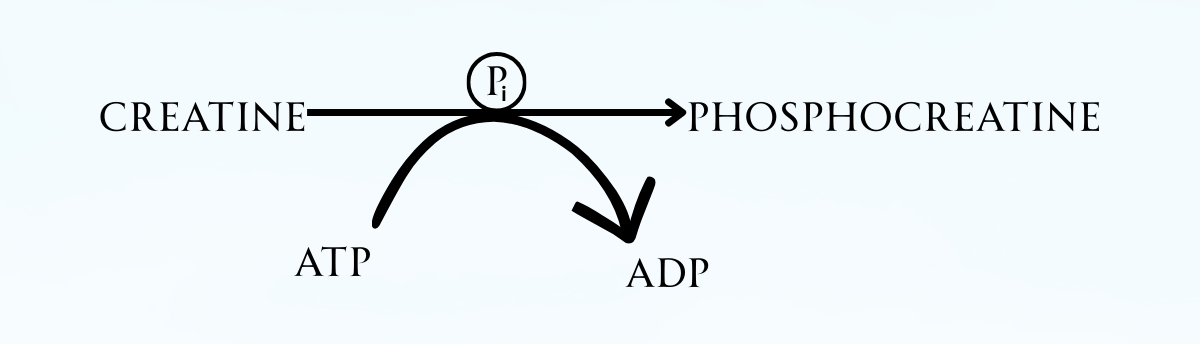
Creatine is an amino acid derivative that is synthesized in the body from 3 amino acids: arginine, glycine, and methionine. While it can be synthesized in the body, creatine can also be derived from our diet in foods like red meat and fish. Creatine is crucial for energy metabolism. It is converted into phosphocreatine in the muscles during rest by the donation of a phosphate by Adenosine Triphosphate (ATP), forming Adenosine Diphosphate (ADP).
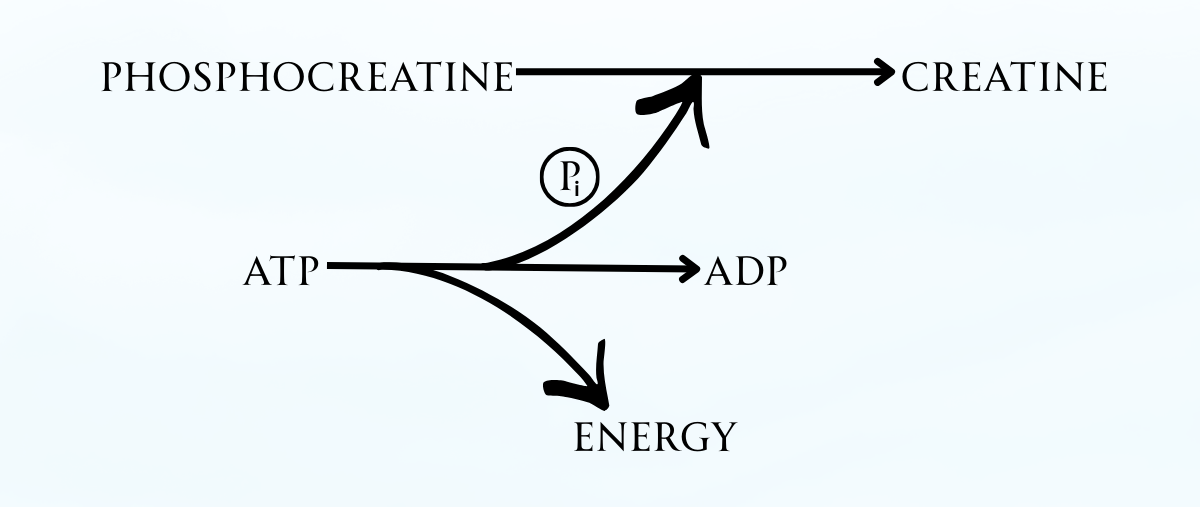
During exercise, the phosphocreatine donates the phosphate back to ADP, forming ATP, which is used to generate energy for the cells to function.
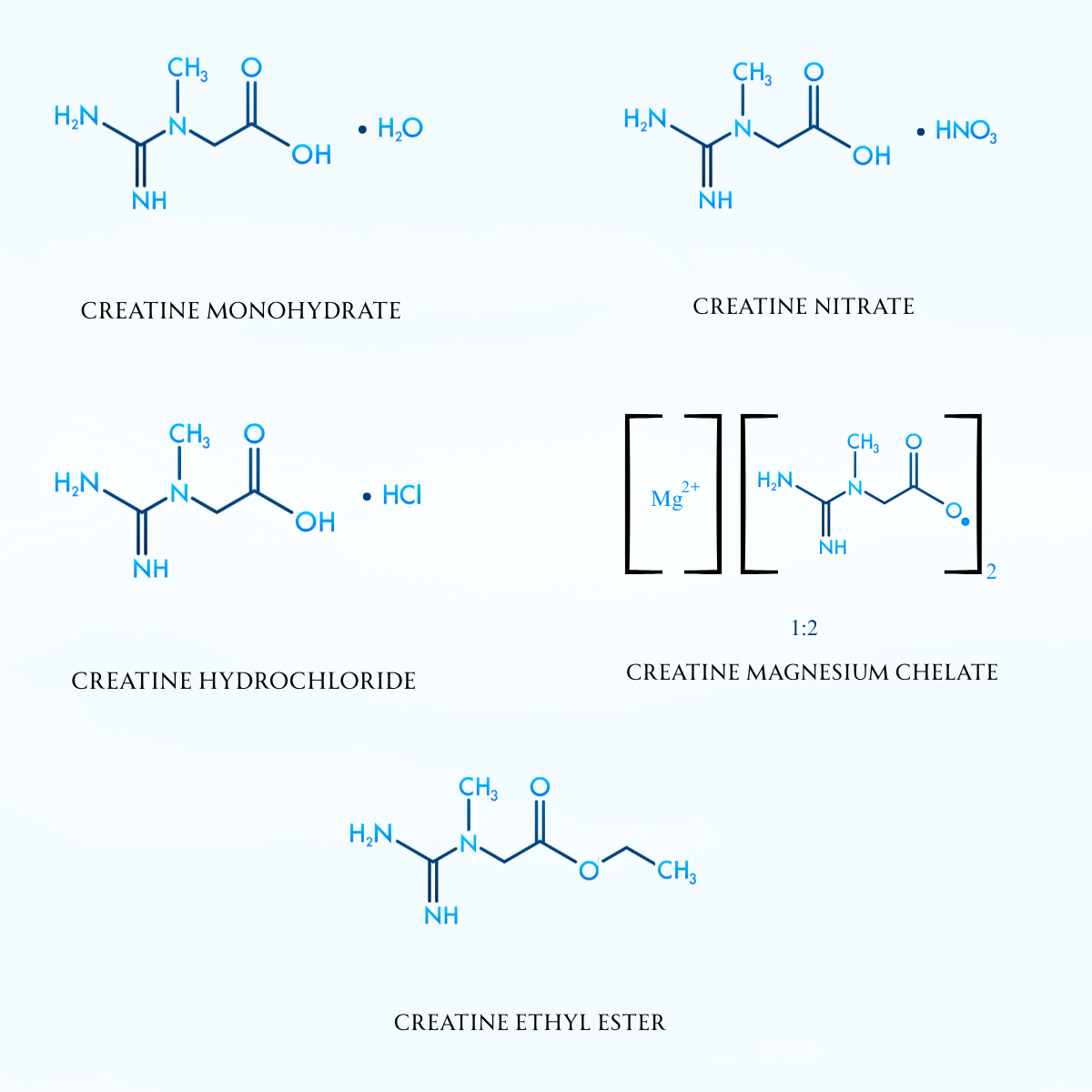
The most common form of creatine taken for supplementation is Creatine Monohydrate. The safety and effectiveness of creatine monohydrate has been proven by numerous studies over the years. It is formed by bonding a creatine molecule to water.
Other forms of creatine used for supplementation include:
- Creatine Hydrochloride (Creatine HCl)
It is formed by bonding a creatine molecule with hydrochloric acid. It provides approximately 78% of pure creatine by molecular weight.
Advantages:
- Highly soluble in water
- Has a high bioavailability
Disadvantages:
- Its effectiveness has not been extensively studied
- Some studies indicate that there is no significant difference between the effectiveness of Creatine Monohydrate and Creatine HCL
- Creatine Ethyl Ester (CEE)
CEE is a modified, fat-soluble form of creatine designed to improve absorption and eliminate the loading phase. It is formed by bonding a creatine molecule to an ethyl ester group through a process called esterification. The addition of the ester group makes the molecule more lipophilic compared to the relatively polar, water-soluble nature of creatine monohydrate. Since cell membranes are made of a lipid bilayer, the increased lipophilicity is designed to allow CEE to pass through cell membranes more easily.
Advantages:
- Theoretical better absorption
Disadvantages:
- Chemically unstable
- Converts rapidly to creatinine
- Often performs worse than creatine monohydrate
- Creatine Nitrate (CrN)
Creatine nitrate (CrN) is a highly soluble form of creatine bonded with nitrate. The nitrate is meant to convert to nitric oxide (NO) which improves blood flow, enhances oxygen delivery and reduces muscle fatigue.
Advantages:
- Supports strength and power
- Improve muscle pump
Disadvantages
- Limited research done on its effectiveness
- Magnesium Creatine Chelate (Mg-Cre)
Magnesium Creatine Chelate is a form of creatine bonded to Magnesium. Magnesium is an essential mineral involved in ATP activation, protein synthesis and muscle function. Combining creatine with magnesium is meant to improve its stability, bioavailability, and muscle uptake, potentially offering better results in strength, power, and muscle mass than creatine alone.
Advantages:
- Increases strength and power
- Enhances cellular hydration leading to increased muscle mass
- Aids ATP efficiency
- More efficient delivery and enhanced bioavailability
Disadvantages:
- No strong evidence suggesting its superiority for muscle growth and strength
- Some studies suggest it works in a similar way to creatine monohydrate (no clear advantage)
- More expensive
What are the benefits of creatine monohydrate over other forms of creatine?
- It’s the most researched and is scientifically proven to be safe and effective
- It has a high bioavailability
- It effectively saturates muscle creatine levels
- It provides approximately 90% pure creatine by molecular weight
- It has been confirmed to improve strength, power and performance
- It’s a more affordable form of creatine
- It’s safe with minimal and rare side effects
- It has simple and effective dosing instructions that are easy to follow
In order to enhance its solubility and digestion, creatine monohydrate may be micronized. Micronized creatine monohydrate is regular creatine monohydrate that has been processed into smaller particles.
Advantages of micronized creatine
- Same strength and muscle-building benefits as standard creatine monohydrate
- Dissolves more easily
- Smoother texture in drinks
- Potentially less stomach discomfort for some people
What are the uses of Creatine?
- Better athletic performance and power
- Increased cellular energy generation
- Reduced fatigue
- Enhanced recovery
- Increased strength
- Improved muscle growth
- Supports muscle function
- Shows promise for improving blood sugar management in Type 2 Diabetes (T2D)
- Better brain health and cognitive function
So, in Malaysia, which is the best creatine?
So Team ProteinLab has done in-depth research on multiple creatine brands available in Malaysia and has concluded that the following is the best creatine brand available in Malaysia.
Suppz Lab Nutrition
So, how do we come to the conclusion that SuppzLab Creatine is the best brand for creatine in Malaysia? Well, our team decided based on the following criteria.
1) Transparency: SuppzLab Nutrition Creatine brand clearly states where they source their creatine. Plenty of other creatine brands, even those famous international brands, began by using Creapure creatine, which is from Germany, and slowly shifted to China-made creatine without letting consumers know. Whereas SuppzLab Nutrition brand of creatine clearly states and even has both types available. For consumers who prefer a cheaper alternative to creatine supplements, there are China-made creatine and Creapure creatine, which is made in Germany for consumer which opt for quality.
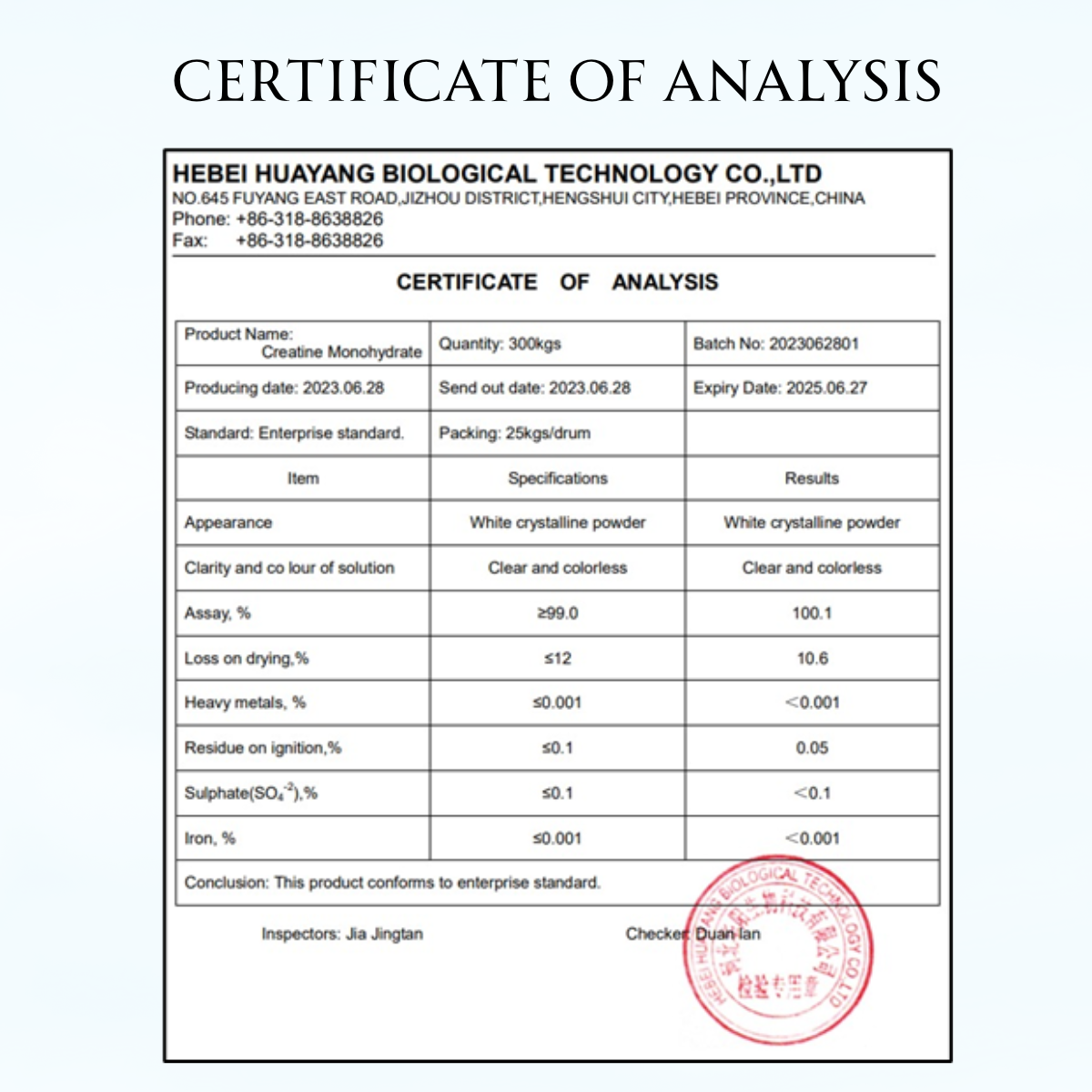
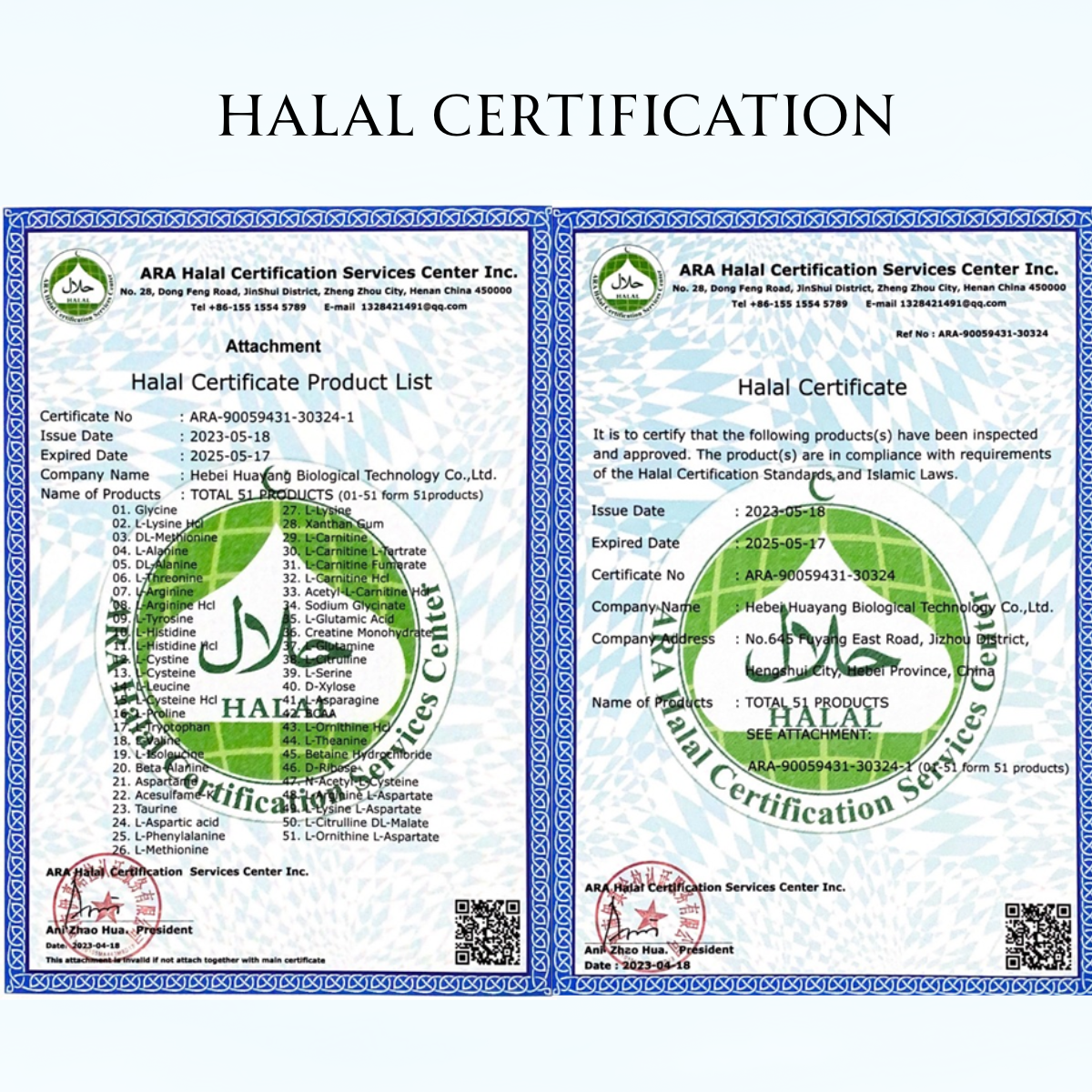
2) Purity tested and Halal Certified: Suppzlab Nutrition sources its creatine not only from a lab that is constantly tested for purity, but also from halal-certified products. The reason for this is to allows suppzlab to be able to ensure that even the production areas are constantly supervised and clean.
Suppzlab 100% micronized Creatine Monohydrate - Creapure®
What is Creapure®?
Creapure® is a branded form of creatine monohydrate manufactured in Germany by AlzChem Group. It is high-purity creatine monohydrate produced under strict pharmaceutical-grade quality standards. As it is a German product it is manufactured following strict EU quality controls. During its chemical synthesis, Creapure® creatine is lab-tested for by-products like dicyandiamide (DCD), dihydrotriazine (DHT) and Creatinine to ensure the high purity standards it advertises are met. At high levels DHT and DCD have been linked to organ stress like Liver and Kidney stress, so it is important that these by-products are kept to low and untraceable levels.
The chemical synthesis of Creapure is done using sarcosinate and cyanamide that are manufactured in-house under GMP as raw materials.
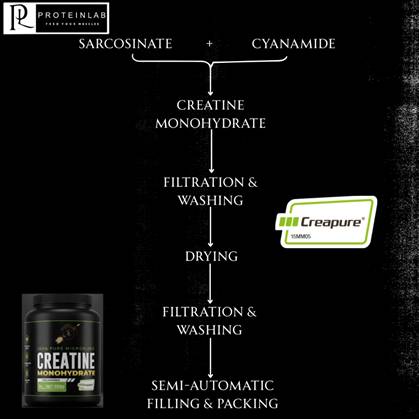
When creatine is chemically synthesized from sarcosinate and cyanamide, the main reaction is straightforward, however, under certain conditions, side reactions can occur that produce DCD (dicyandiamide) and DHT (dihydrotriazine).
The correct reaction to produce creatine requires controlled pH and moderate temperature. DCD as a side product may be produced if the cyanamide reacts with itself instead of the sarcosinate, which can happen if:
- Excess cyanamide is present
- Sarcosinate is insufficient
- Temperature is too high
- Reaction time is too long
- pH is too alkaline
DHT impurities are cyclic condensation products derived from cyanamide or DCD under certain conditions. Further heating of the DCD polymers can result in cyclic DHT-type structures. This can happen if the:
- Reaction temperature is too high
- pH is not well controlled
- Raw materials are impure
- Reaction mixture is left too long before purification
Creapure® manufacturing procedures control:
- Reaction temperature
- pH levels
- Cyanamide ratio
- Reaction time
- Purification and crystallization steps
These controls prevent the DHT and DCD from accumulating to high levels in the creatine produced, making Creapure® creatine a cleaner, safer and purer creatine supplement.
Creapure® vs other creatine; What’s the difference?
| Creapure® | Other Creatine |
Purity |
|
|
Brand Verification & Traceability |
|
|
Testing & Documentation |
|
|
Raw material sourcing |
|
|
Manufacturing process control |
|
|
Full Impurity Profiling |
|
|
Batch Consistency and Replicability |
|
|
Regulatory Compliance & Certification |
|
|
Research & Scientific Backing |
|
|
Pricing |
|
|
How Creapure® ensures purity
- Sarcosinate and cyanamide are both manufactured on-site and filtered before they go into the reaction vessel
- The entire process is a closed production line that is completely sealed off from the environment to avoid contamination
- Pressure filtration to separate solids from liquids
- The creatine produced is suspended in water several times
- There is an in-process control check to determine the Moisture level in the lab and prevent over-drying
- Post-drying, the creatine is released into a sealed container
- There is a sluice system with special standards (changing shoes, disinfecting hands and wearing gloves and a hair net.
- The filling is semi-automatic to minimise human contact with the product
- Each batch is tested using analytical techniques like High Power Liquid Chromatography (HPLC)
Why choose Creapure®
- It has a purity of at least 99.9%
- Each batch is tested, documented, and certified
- Each batch is given a LOT number to make it 100% traceable
- It is FSSC 22000 certified
- It meets ISO 9001 (quality), ISO 14001 (Environment) and ISO 50001 (Energy)
- It follows GMP (Good Manufacturing Practice) & HACCP (Hazard Analysis Critical Control Point)
- It is Cologne List® approved and thus suitable for athletes
- It has been tested by athletes for athletes
- It has a strong global reputation
- It is scientifically recognised
- It is Kosher and Halal certified
Why buy Suppzlab 100% Pure Micronized Creapure Creatine Monohydrate
- It is the first Creapure Creatine product from a Malaysian brand
- Each product has a Quality Seal Code that can be used on the Creapure® website to check the authenticity of the creatine
- It uses the gold standard in creatine monohydrate, made under strict German GMP controls
- Every product is third-party tested, low in impurities and proven to meet high purity standards
- It is backed by science, not hype
- It maximises performance gains
- It mixes smoothly and easily
- Although its price is higher, you pay a little more for verified quality
- It’s trusted by athletes and certified for use by professional athletes
Be safe and rest assured, you are getting 100% authentic products at the lowest price when you purchase from ProteinLab Malaysia.
You can also like our Facebook page for more promotional news at :
Or you can also follow Instagram for more nutrition tips: