

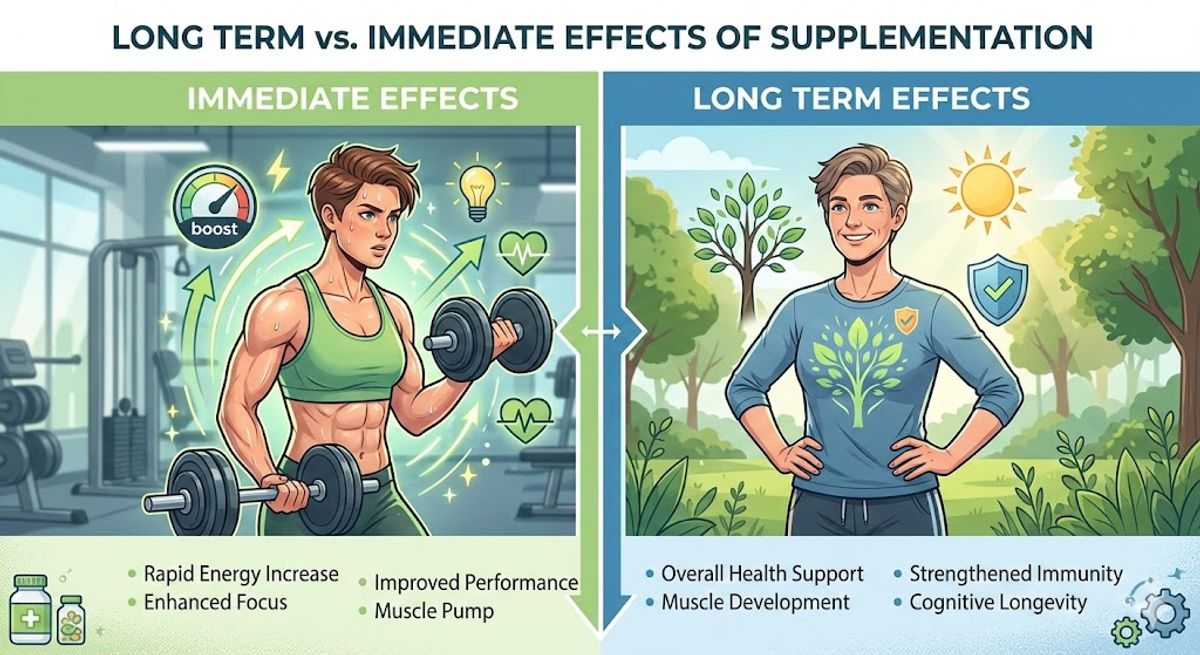
With the rise of aesthetics-focused supplements, i.e. skin care products, nutrition-based supplements may get tossed aside for faster observable results.
Although topical supplementation may be better for the skin, are we overlooking our internal bodies? Are Malaysians overlooking general health for aesthetic gains?
In recent years, the sentiment of focusing on aesthetics has been on the rise, with people wanting to look like their favorite idols with glass-like skin and extremely slim and fit bodies. However, what most people do not understand is the amount of suffering and surgeries these idols have gone through just to achieve the look, which often includes invasive procedures, strict diets, and intense workout regimens that can negatively impact their overall health. In a competitive world, the best thing you can do is stay healthy.

Social Media Influence
Social media has a strong hold on how regular people carry out their lives, often promoting trends that prioritize short-term results over sustainable health practices. Especially since many people would want to look as good as their favorite influencers, they would go so far as to look up their skin care routine and what supplements they take.
As most people would prefer the visible and immediate effects of cosmeceuticals. The general populace has sometimes overlooked the need for the long-term effects that nutritional supplementation provides.
Health vs Appearance Supplement
Health supplements tend to focus on the general well-being of the person, supplementing vital nutrients, i.e Vitamin E, Essential Amino Acids, etc. These supplements focus on the internal health of a person, it's like adding engine oil when the check engine light on your car lights up or taking it to a mechanic to get it fixed.
Appearance supplements are specifically designed to enhance a person's overall appearance. Like, for example, collagen, biotin, creatine, etc. These kinds of supplements are typically not needed and only give a temporary appearance boost; once these supplementations stop, the appearance boost stops as well.
As globalization increases, the focus of aesthetics from Korea and the US has spread over to us in Malaysia, influencing trends in beauty standards and the popularity of appearance supplements among consumers. Most people’s first trial into supplementation is typically within the bounds of skin care. As the pollution of the atmosphere increases, it is vital to use skin care to remain youthful-looking, as it helps protect the skin from environmental damage and maintain its health and appearance. However, advanced users would search for collagen, PDRN, and hyaluronic acid to supplement the skin with better hydration and firmness to retain youthful looks. This remains the highest use of supplementation so far.
Health supplementation, on the other hand, is less used as it is not as heavily advertised or prioritized, which may contribute to its lower market share of $600 million USD compared to the more popular cosmeceuticals, indicating a need for increased awareness and marketing efforts in this sector. It’s primarily used to supplement nutrients when needed. For example, multivitamins supplement all the essential vitamins needed for daily use to stay healthy and energetic.
In Malaysia, the market share for cosmeceuticals (2.31 billion USD) currently outpaces the market share for nutrition supplements ($600 million USD). However, this market share gap is showing signs of closing. This indicates that the general populace is beginning to prioritize nutrition as well.
Focusing on the Long Term rather than just immediate effects
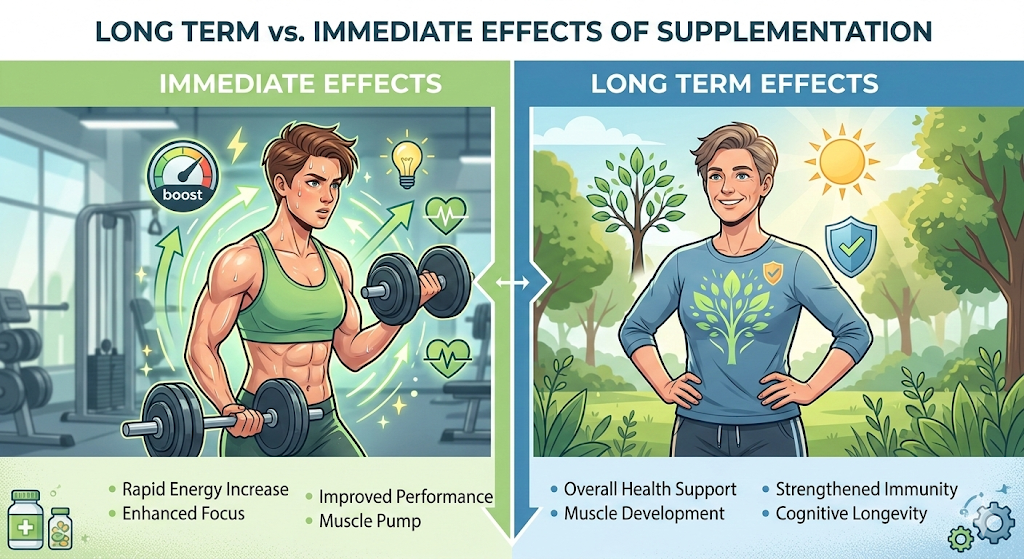
The danger of aesthetic-driven usage is its lack of longevity. Aesthetic supplements often promise immediate results that are hard to maintain without addressing "internal health."
Overconsumption of certain beauty supplements, like high-dose vitamin C or unregulated weight loss pills, has led to a rise in drug-induced liver injuries and kidney issues among Malaysians.
Supplements aiming for a quick fix for aesthetic reasons only fix the surface-level issues and not what underlying issues plague them, such as nutritional deficiencies or lifestyle habits that contribute to overall health. By focusing on the health aspect of supplementation, we can relieve the underlying issues of our bodies and focus on the longevity of the effects of supplements.
From Looks to Longevity
To move forward, Malaysians must shift their thinking from "How do I look today?" to "How will I feel in twenty years?"
Functional Thinking: Instead of taking collagen for wrinkles, think about supporting joint health and bone density.
Personalized Nutrition: Move away from viral trends toward supplements that address specific deficiencies (e.g., iron for anemia, which is common among Malaysian women) to ensure that your body receives the essential nutrients it needs for optimal health and longevity.
The Longevity Mindset: Health is a journey, never just a one-time thing. Supplements should be viewed as support pillars for a long and active life.

Why Function Outperforms Beauty
In the long run, supplements that support functions always outperform cosmetic goals. When the body’s internal systems—gut health, hormonal balance, and cellular repair—are optimized, "beauty" becomes a natural byproduct.
A healthy gut (via probiotics) leads to clearer skin.
Balanced hormones lead to easier weight management.
Stable blood sugar leads to reduced puffiness and inflammation.